
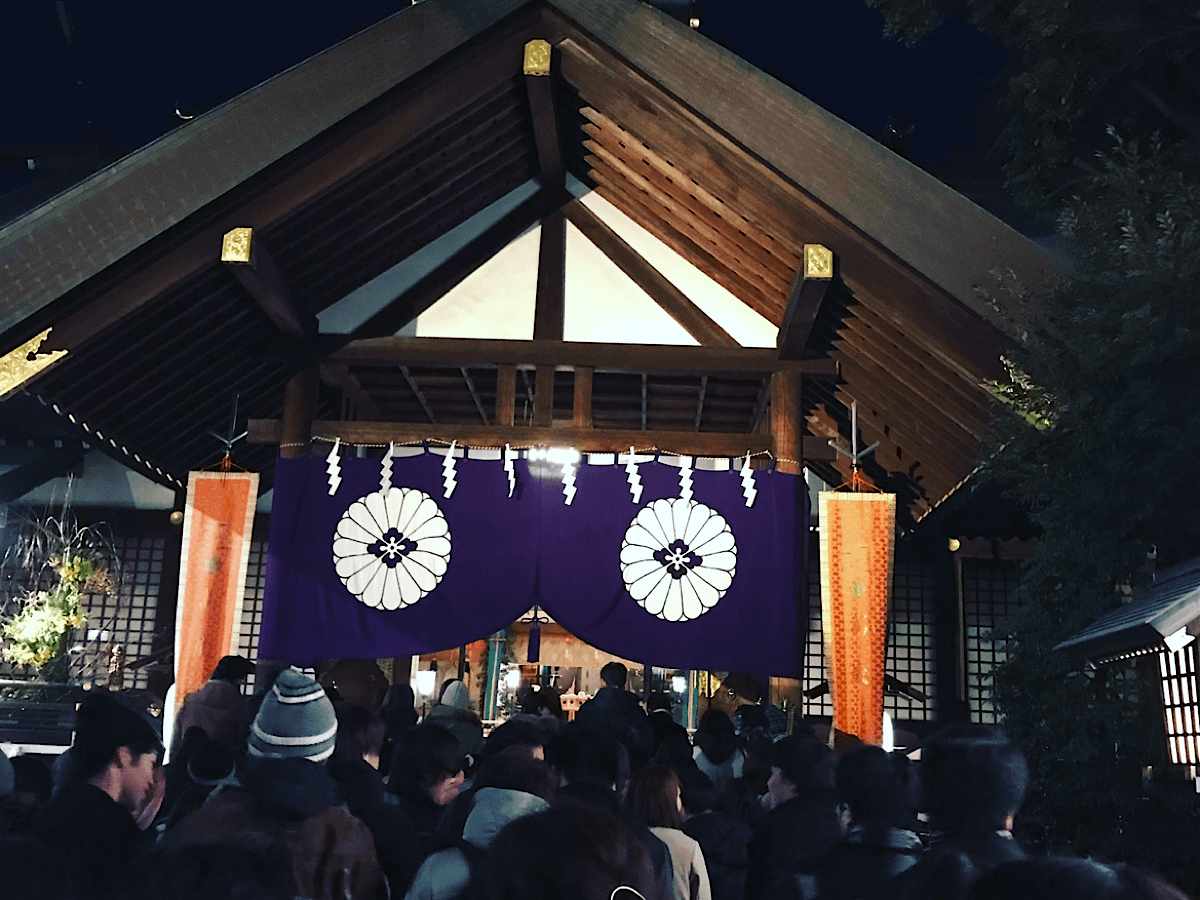
Every New Year comes, and when you ring in the New Year in Japan, hatsumode (初詣) is a must-do. It might be a good idea to wait in a long line at the famous shrine while listening to the New Year’s Bell. It sounds a little bit tough, but definitely rewarding. Or you could choose a low-key, local shrine. You can both feel the solemn atmosphere unlike any at the end-of-year party. There is something sacred in the atmosphere. Even in this day and age, in a downtown area like Tokyo, you can feel that it’s a very old-fashioned Japanese tradition. Today, I’m going to share how to appreciate and enjoy it. Let’s get started.
What’s Hatsumode?
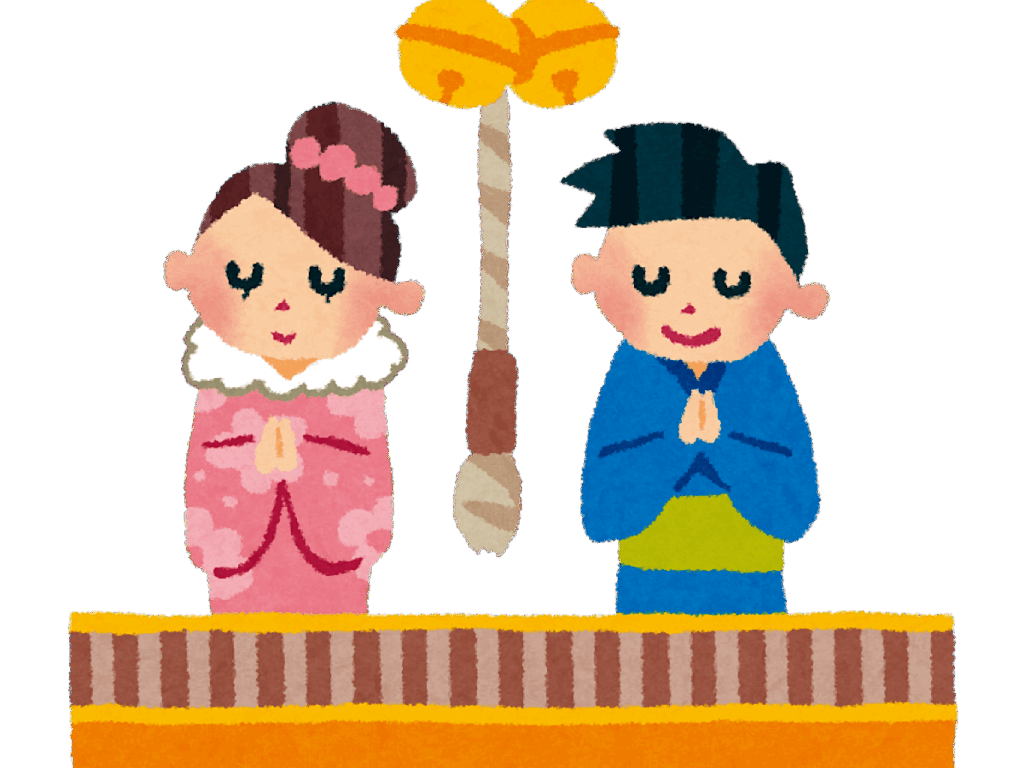
Hatsumode (初詣) is, generally speaking, when Japanese people go to visit shrines and temples to make a wish for their families from New Year’s Day to the third January. When you start to do something, it is believed to bring good luck on the first day of the year. Of course, you can go there after the third of January, I think it will be ok until the second weekend in January. If you have enough energy, why don’t you go to visit there at midnight on New Year’s Eve, you would be surprised how many people are there for hatsumode.
What Do You Do in Hatsumode?
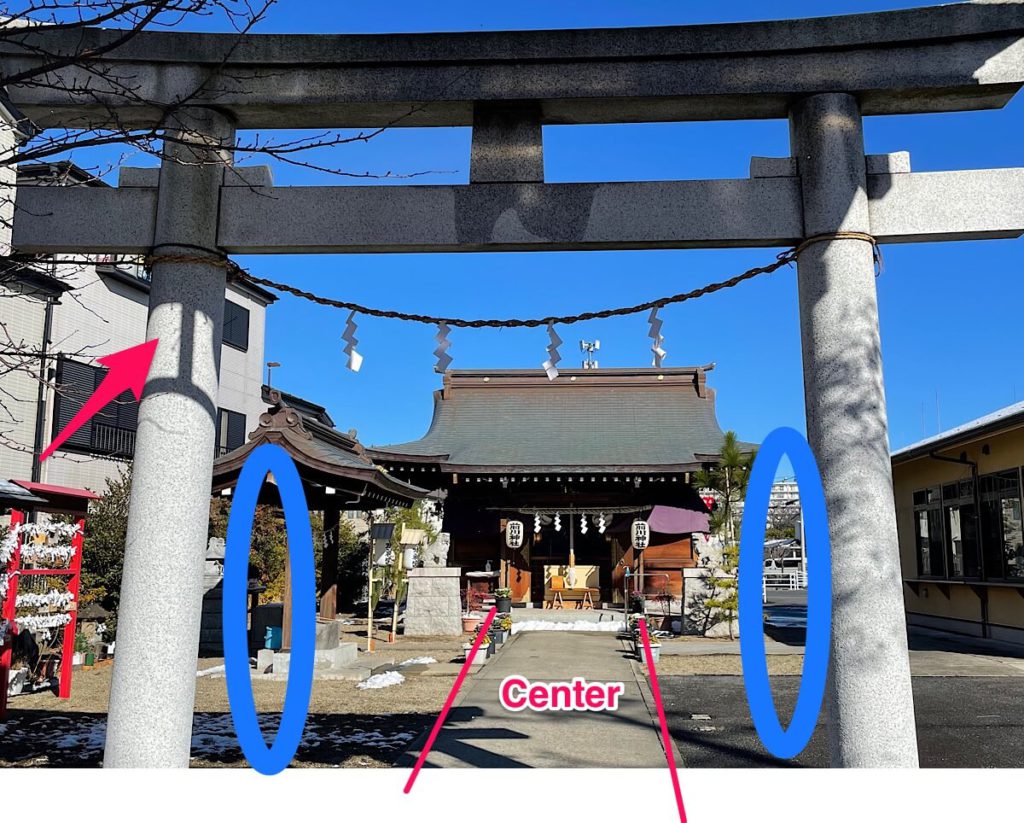
1. When you enter, there is a gate, which is the red arrow above. It is called Torii (鳥居), made of stone. There is usually an official exit. To be honest, I’m not a religious person like most Japanese, so I’m not going to talk about the details of Shinto. I just make a point to respect everything around me. It shouldn’t take anything for granted. When I was a kid, my grandmother taught me that there was 神様 (Kami-sama) in the shrine. 神(Kami) is a god, literally. She said that each element in nature has a god, for example, the god of water, the god of fire, the god of wind, the god of rain, and so on. It might be called animism in Western culture. I’m not sure exactly what it is, but I only know shrines and temples are sacred places.
Sorry, for going off on a tangent, when you enter the Torii(鳥居), you shouldn’t walk through the center. You must walk through either side of the end, which shows as blue circles above. This is because it is believed that kami-sama walk through the center way, so you have to clear space for them. Before going through the Torii, please bow down at a place where people pray. When you go to the shrine, you might see someone who bows down.
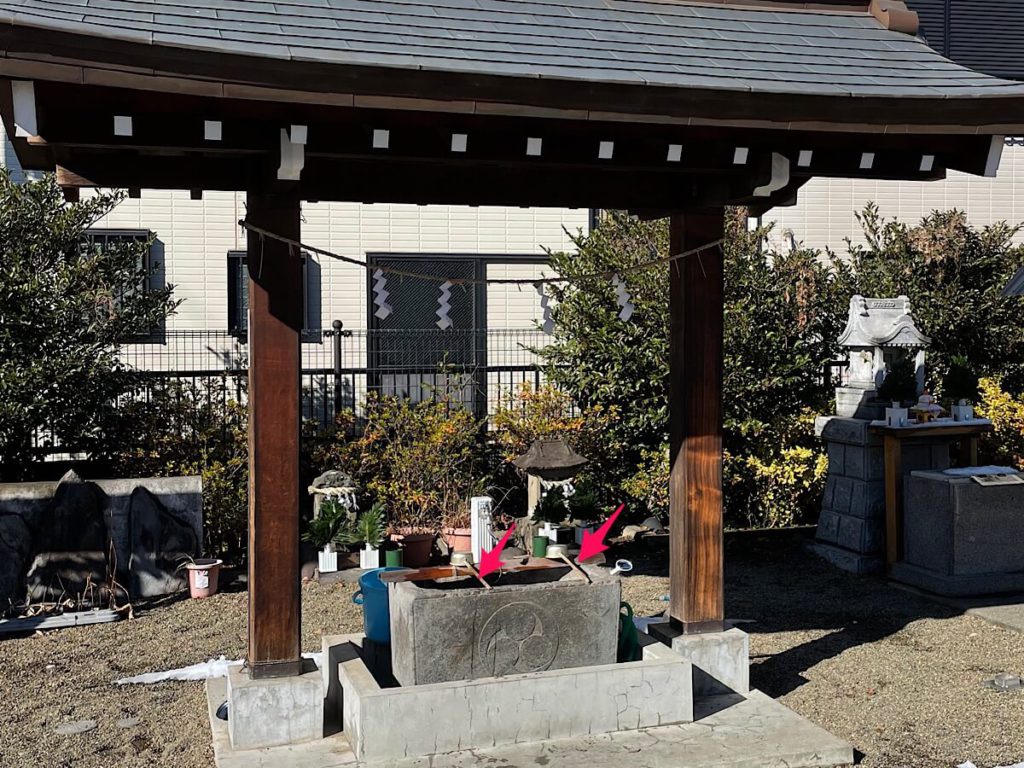
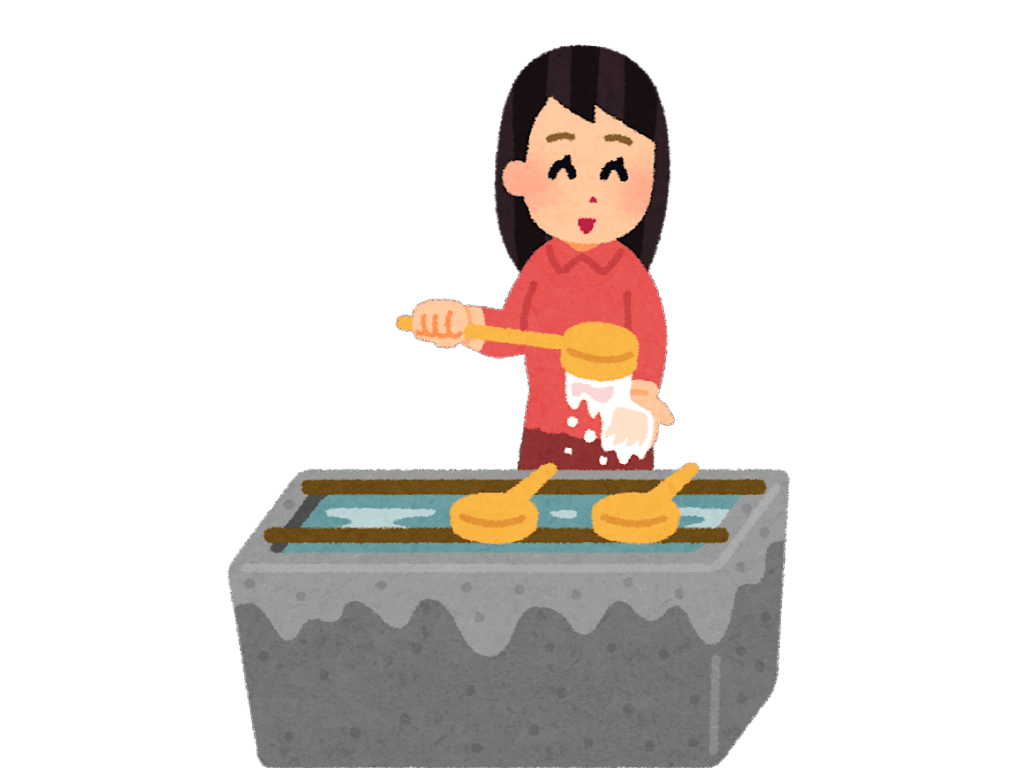
2. After you go through the side of the Torii, you can walk the center way. And then you can see a spot where you can purify your hands and mouth.
How to make your wish?
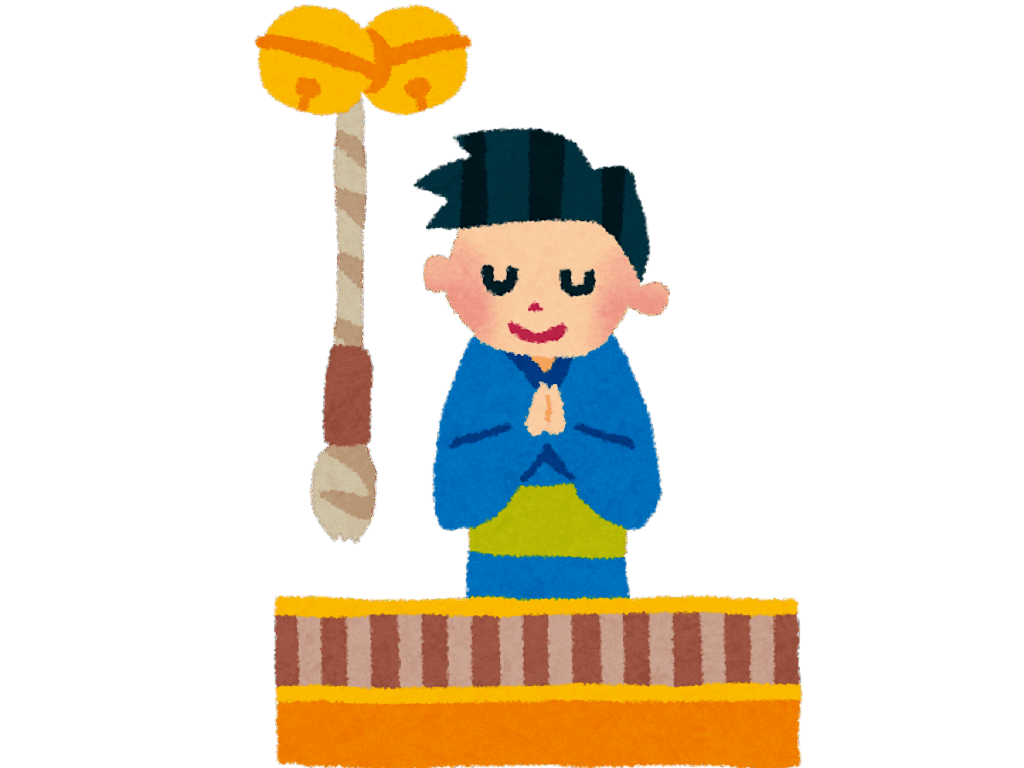
Now, you’re ready to go? Let me show you how to behave there. When it comes your turn after waiting in a long line, toss your coin softly and gently. Don’t throw your osaisen (お賽銭) like a fastball of MLB players. Osaisen is your warm heart. It doesn’t necessarily mean you’d better pay a lot of money. For me, I usually use my change, not bills. Someone say 115JPY (100JPY+10JPY+5JPY coins) as “良いご縁”, which means you might have a good partner or opportunity. Details below. After tossing your osaisen, you can ring the bell if there is. Of course, don’t ring the bell strongly, even if you break up with your boyfriend or girlfriend. And then, it starts praying. It’s called “二礼二拍手一礼(nirei nihakushu ichirei)”, which means, “ two bows, two claps and one bow.” First, bow two times, and then clap your hands in front of your chest, then close your eyes and make your wish. It might take half a minute or so. It depends on your wish. I often finish making my wish and open my eyes, but my wife is still wishing. I feel a bit embarrassed about it. After making your wish, bow one time. During that time, you might remove your hat to show respect for the shrine. That’s it. It’s a breeze, isn’t it? Here’s a bit of a tricky tip. When you visit temples and make your wish, don’t clap your hands. Just bowing and making your wish.

Don’ts in Hatsumode

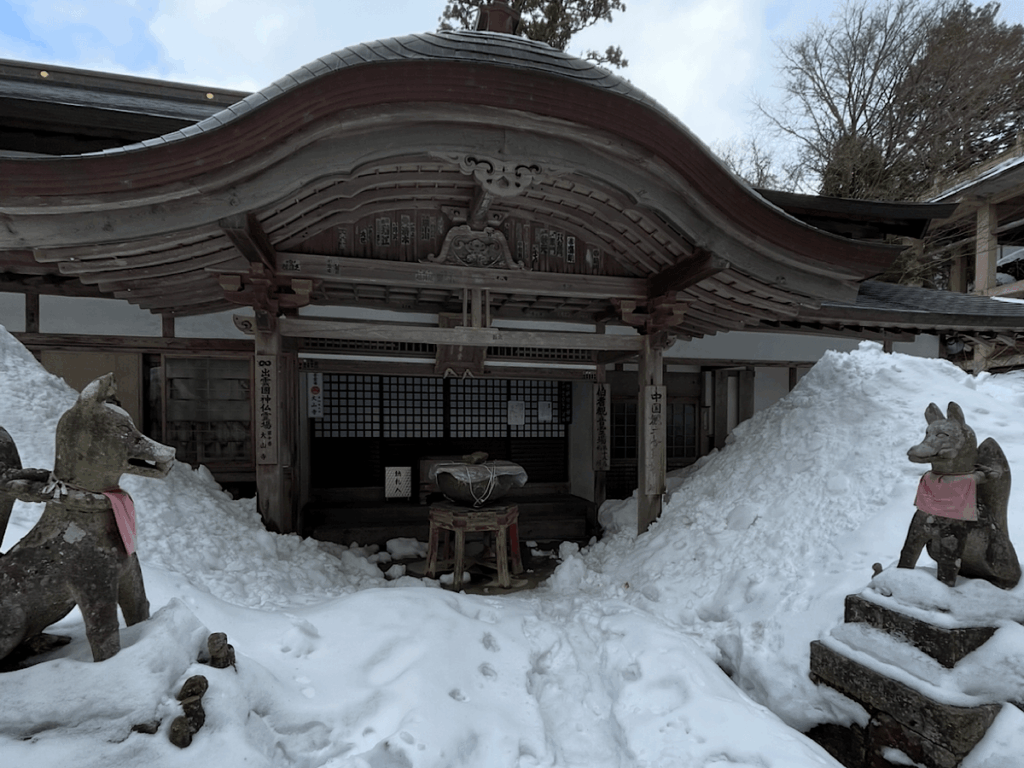
In the shurine property is considered a sacred place. When you enter the torii, there is a sacred place. Generally speaking, no phone calls, no eating or smoking, and no littering. Don’t make a scene; you appreciate architecture and atmosphere. Taking photos is OK, but you don’t act like famous influencers. You need to know what others do. Of course, some Japanese do that, but there are such people who don’t respect anything everywhere, right? When you go out the torii, don’t forget to bow at the side. That should be all your Hatsumode. Congratulations!
To conclude
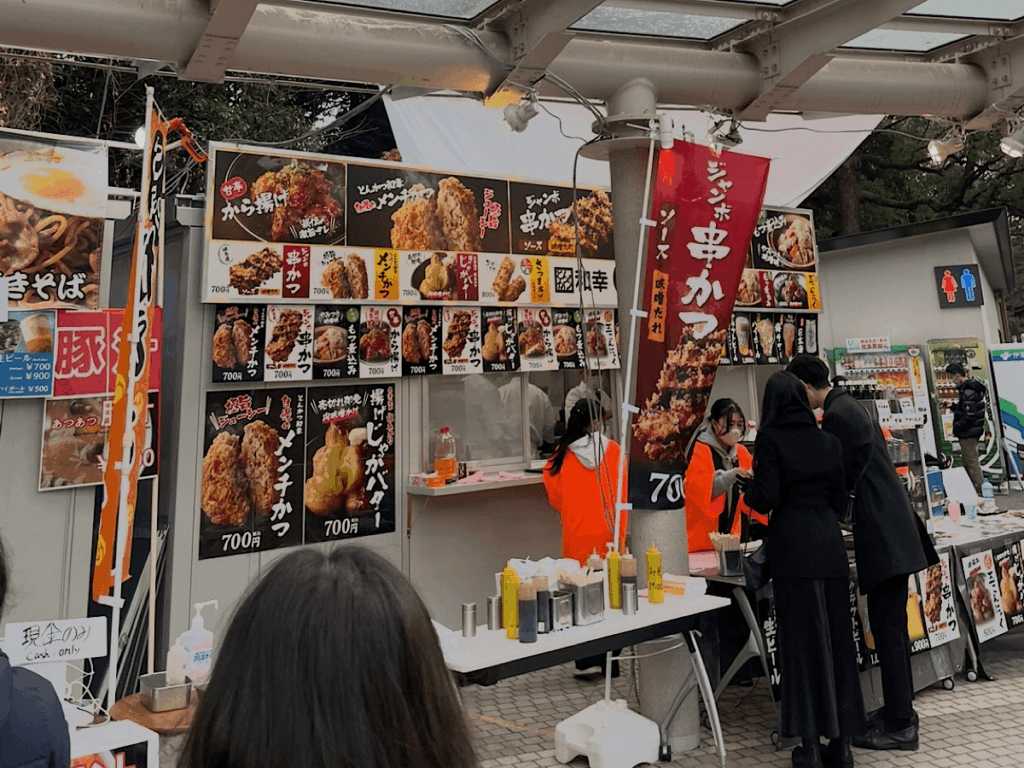
How was that? For me, Hatsumode is our thing at the beginning of the year. I’m going to be uncomfortable if I don’t do it. If you’re staying in big cities, it might be a bit crowded but definitely exciting. You can enjoy eating out at many stalls outside of Surine. On the flip side, if you are in quiet areas, you can appreciate a more sacred atmosphere. I hope you guys enjoy Hatsumode during the New Year’s holidays. You can find different vibes from just visiting there in other seasons. Thanks for taking the time to read my article, and Happy New Year! Wishing you all the best and happiness!

I worked at a trading company for many years. I live in Tokyo with my wife. Love skiing, traveling, IPAs, wine , X-treme sports, fashion, and learning English and Chinese.

 HTJ has a YouTube page! Check it out