
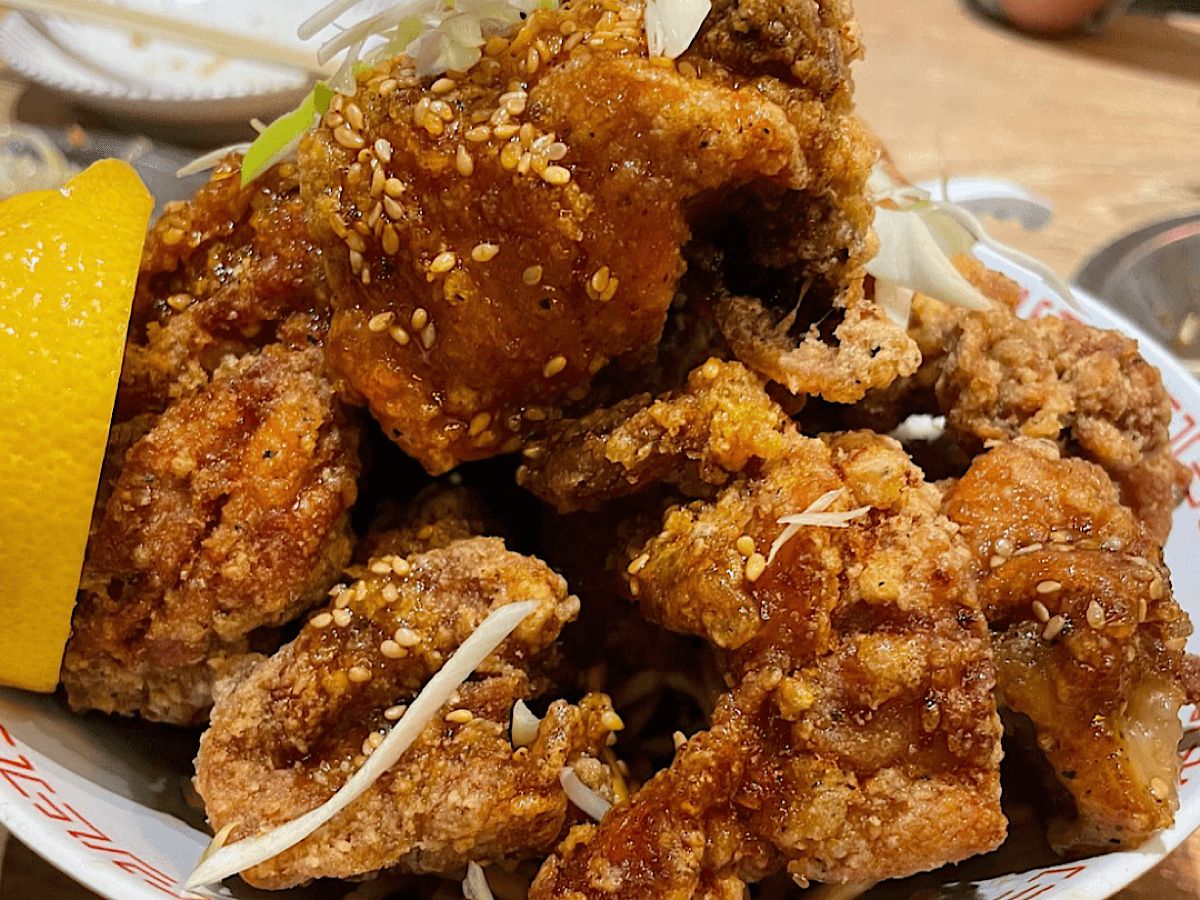
Well, most Japanese love 唐揚 (karaage) so much, I’d say. Nowadays, you can get them everywhere, like restaurants, bento shops, izakaya, Convini (i.e., convenience stores), and grocery stores. At the homemade cook, that is one of the most favorite dishes, not only kids but also adults would name it if you asked them. So, today I’m going to share how Japanese people love and are fixated on this food. Let’s get started!
1. What Is Karaage?
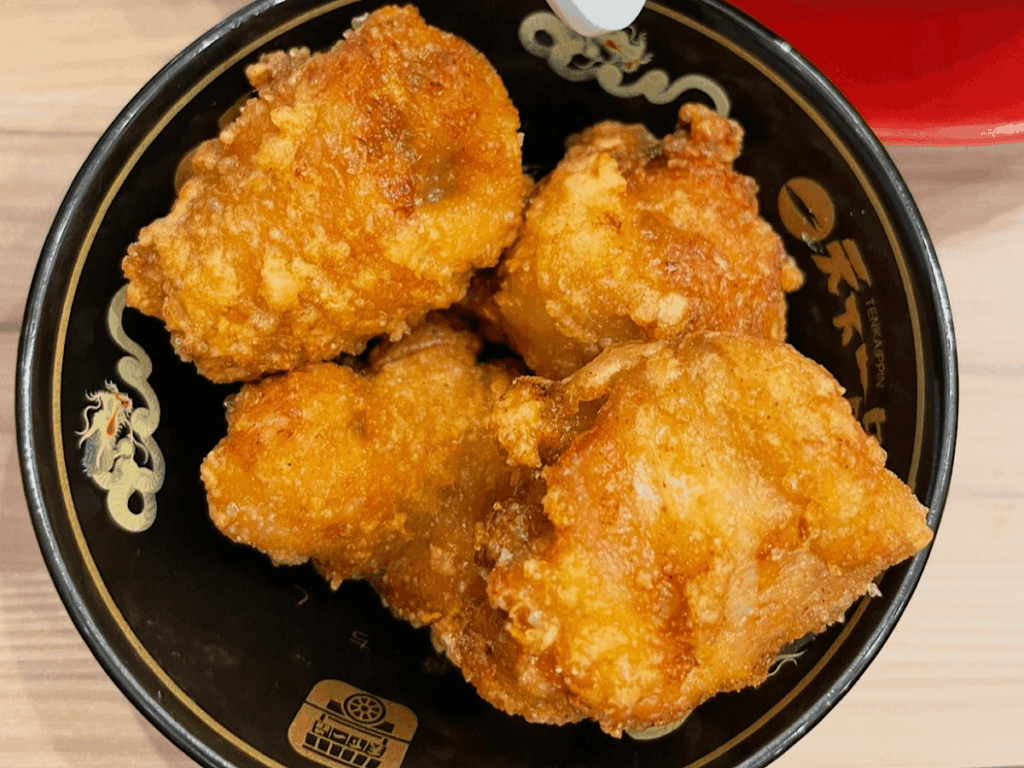
Karaage is Japanese fried cuisine. It doesn’t necessarily use chicken; you can also cook vegetables and fish as karaage. What’s the difference between tempura and karaage? It’s the batter, I’d say.
The karaage batter is thinner than the tempura batter. However, nowadays, when people hear the word “karaage,” chicken karaage comes to mind first. And, it is boneless. You don’t have to dip it in any sauce because it is already seasoned with the taste of salt and pepper. That being said, some people dip mayonnaise because it’s really versatile with condiments. The most important thing is that the outside is crispy and the inside is juicy. The bite-sized pieces are so you can eat them with your mouth all at once. It’s safe to say that it is soul food. It becomes a main dish of the dinner, snacks, a good pair with alcohol… It’s very versatile! So, I’m sharing my opinion about chicken karaage today.
2. What makes Karaage stand apart from other fried chicken?
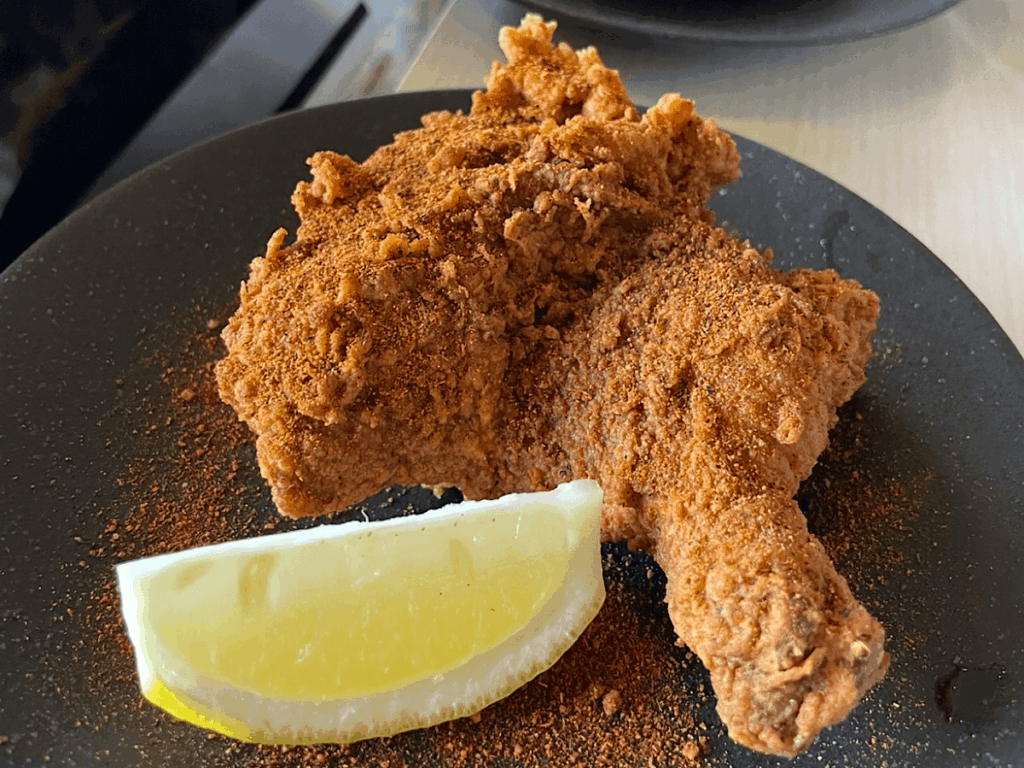
One thing that pops into my mind is whether or not it has bones. Most of the time, karaage is boneless. When we say fried chicken, it might be with bones, but when we say karaage, it doesn’t have them. The boneless chicken is no hassle to grab. The second big point is marinating chicken beforehand. The sauce is used by soy sauce, garlic, sake, and ginger. It’s marination magic. This step makes a big difference.
3. Karaage Is Everywhere
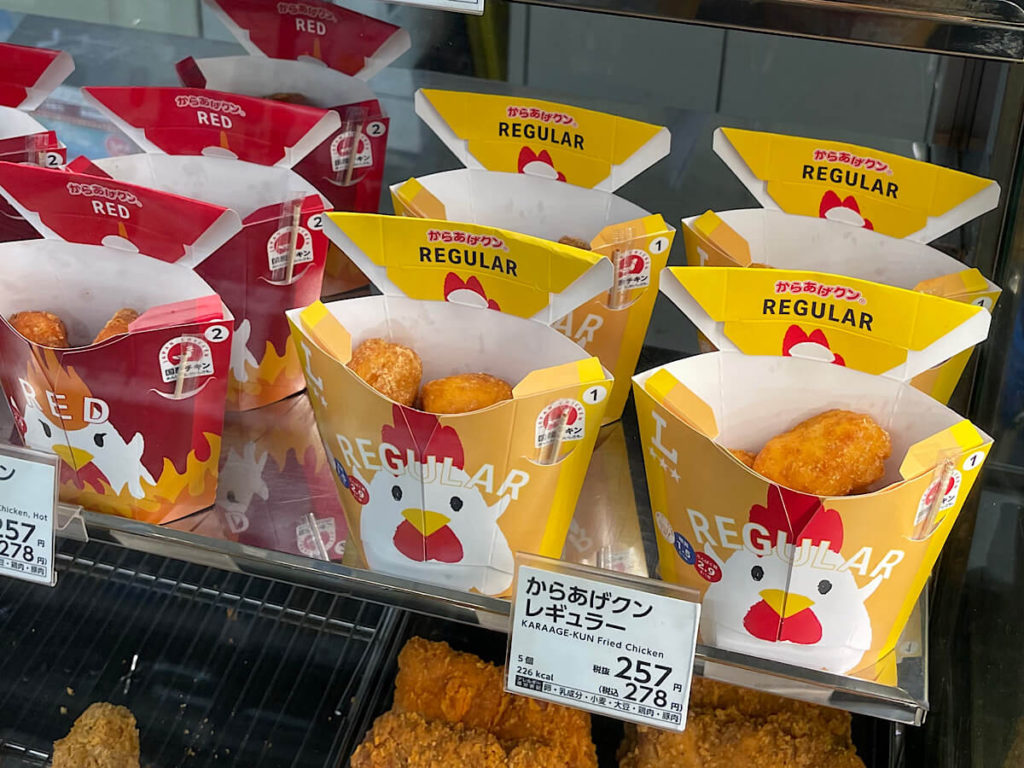

From Convini to specialty shops, you can find karaage at various places in Japan. Especially, Convini always offers delicious, juicy karaage 24/7. Lawson is a pioneer and launched からあげクン (karaage-kun) in 1986. Of course, karaage was already popular home cooked meals but this karaage-kun made people feel more casual and easy to grab when they feel hungry.
However, it wasn’t karaage as of today. It was a snack and similar to a nugget in McDonald’s. After that, Family Mart launched ファミチキ (fami-chiki) in 2006. This is still their iconic food. I clearly remember the day I could buy juicy karaage with a few Japanese coins. And then, Seven Eleven launched から揚げ棒 (karaage-bo). As the chicken is stabbed by the stick, you can eat it without messing your hands. Plus, when you go to grocery stores, there is a variety of karaage at the お惣菜 (osozai) area. You can find the karaage at most of the restaurants. When you go to a shrine or temple, food stalls also have it.
Last but not least, it is good to pair it with beer, there isn’t an Izakaya in Japan that doesn’t have karaage on the menu.
Nowadays, you can eat it any time, whenever you want to eat it.
4. How to Enjoy Karaage
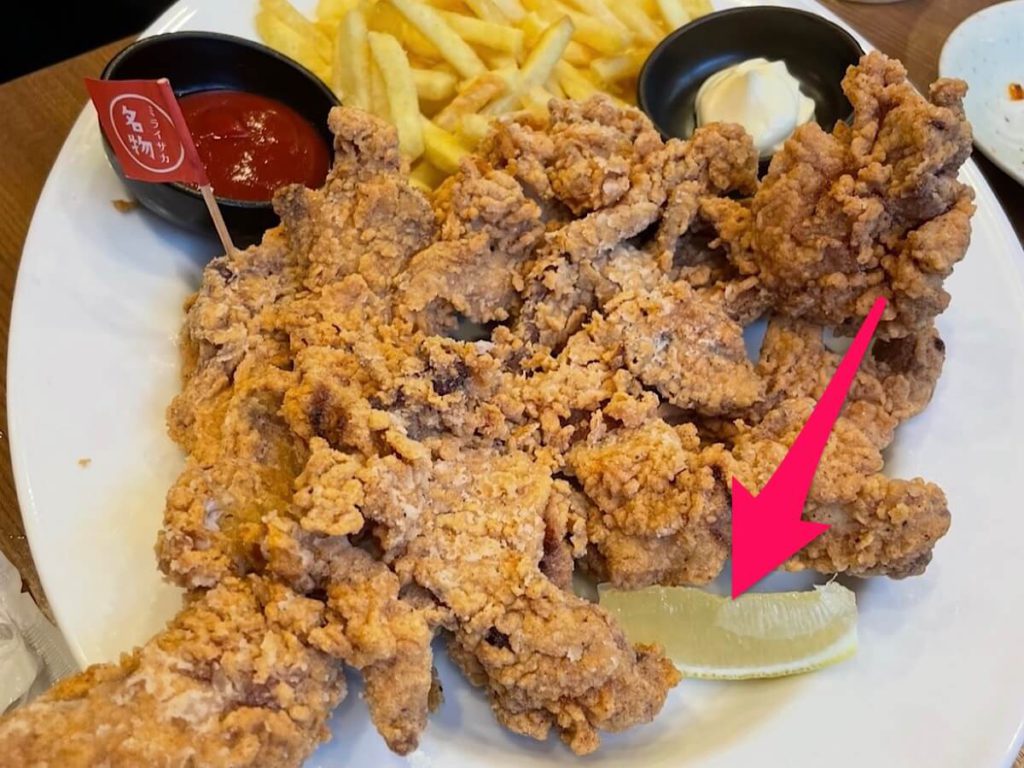
Karaage comes with lemon on the side. It’s always a controversial topic whether to squeeze lemon at first or later, or not to do it. So, unfortunately, if you’re the first person to squeeze lemon in the situation, you should ask everyone, “ Do you mind if I squeeze lemon on karaage?” That would be very polite and you would definitely be respected by everyone.
When you want to change taste, mayonnaise and tartar sauce are good options. For me, nothing beats freshly cooked white rice. Savory karaage goes well with the slightly sweet rice. Moreover, ramen, karaage, and rice are the perfect combination for indulgence for myself. Oh, thinking about it makes my mouth .
5. More Than Just Fried Chicken
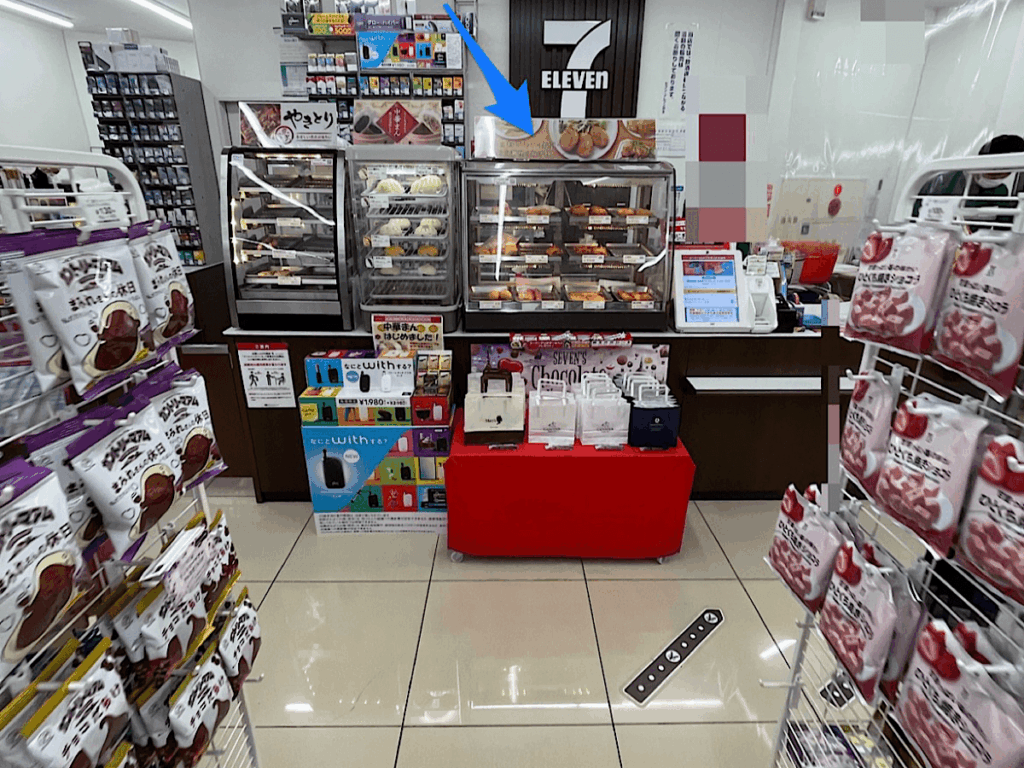
Karaage, even the snack in Convini, they never compromise. Let alone restaurants. They bend over backwards to make sure to be how カリカリ(kari kari, which means crispy) outside and juicy inside. They are pursuing perfect texture. Some specialty shops encourage you to bring it home without a lid for their takeout packages. This is because it prevents karaage from getting soggy by the steam if the lid is on the package. It might show something that Japanese craftsman is a perfectionist.
If you want to glimpse into Japanese craftsmanship, that’s a perfect example for my previous article in below.
To Conclude
How was it? Actually ,karaage is always a little guilty pleasure for me. I know that it has a lot of fat, but I can’t resist the temptation. When I get the right one—with the crispy outside and the juicy inside—I feel it really hits the spot. It’s become comfort food in Japan. When you visit Japan, it’s a must-try food. Most of case, never let you down, at least I hope so. Thank you for taking the time to read my article to the end. See you in my next article.

I worked at a trading company for many years. I live in Tokyo with my wife. Love skiing, traveling, IPAs, wine , X-treme sports, fashion, and learning English and Chinese.

 HTJ has a YouTube page! Check it out