



Chow Chow? Chau Chau! Unique Osaka-ben (Part 3)
Have you ever heard someone from Osaka say “chau chau”? “Chau chau”??? It’s not a word you’ll find in Japanese textbooks. Translated into standard Japanese, “chau” corresponds to “chigau,” meaning …
Have you ever heard someone from Osaka say “chau chau”? “Chau chau”??? It’s not a word you’ll find in Japanese textbooks. Translated into standard Japanese, “chau” corresponds to “chigau,” meaning …
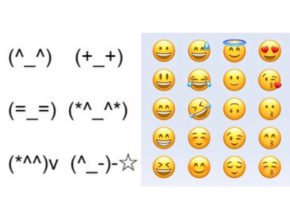
These days, emojis are used all over the world as if they’ve always been around.But did you know that they actually originated in Japan?And before emojis were born, Japan had …

You’ve probably heard the term “Gen Z” at least once.The idea of “Gen Z” actually comes from “Generation X.” That name became popular thanks to Douglas Coupland’s book “Generation X” …

The History of Leather Craft in Japan The history of leather craftsmanship in Japan dates back to the Nara period (around the 8th century). Leather was primarily used for samurai …
It’s Already the Last Month of 2024! In no time, we’ve arrived at the final month of 2024. In English-speaking countries, people often say “Merry Christmas and Happy New Year!” …
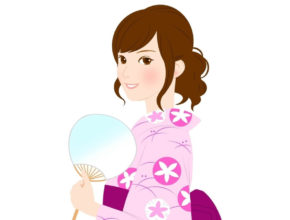
Yukata, a popular and casual summer kimono, is something that many people want to try. Today, let’s talk about rental services that make it easy to enjoy wearing a yukata. …
In the previous article, I explained the phrase “よろしくお願いします (yoroshiku onegaishimasu)” . This time, I would like to talk about another frequently used term among Japanese people, one that you …

If you’ve lived in Japan for even a short period, you’ve probably encountered the phrase “よろしくおねがいします (yoroshiku onegaishimasu).” Japanese people love this phrase, whether in work or private life. Grammatically, …

Cherry Blossom Rolled Cake made by minosuke* After a long, cold winter, under the blue sky, people walk while looking up at cherry trees. In the stores, there are various …
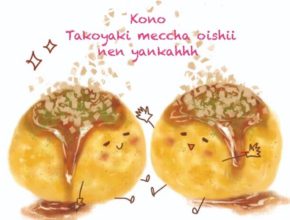
Hello, everyone! In the previous article, I wrote about “-nen (ねん)” and “-yanen (やねん),” which correspond to the Osaka dialect’s well-known sentence endings in standard Japanese for the present tense, …