
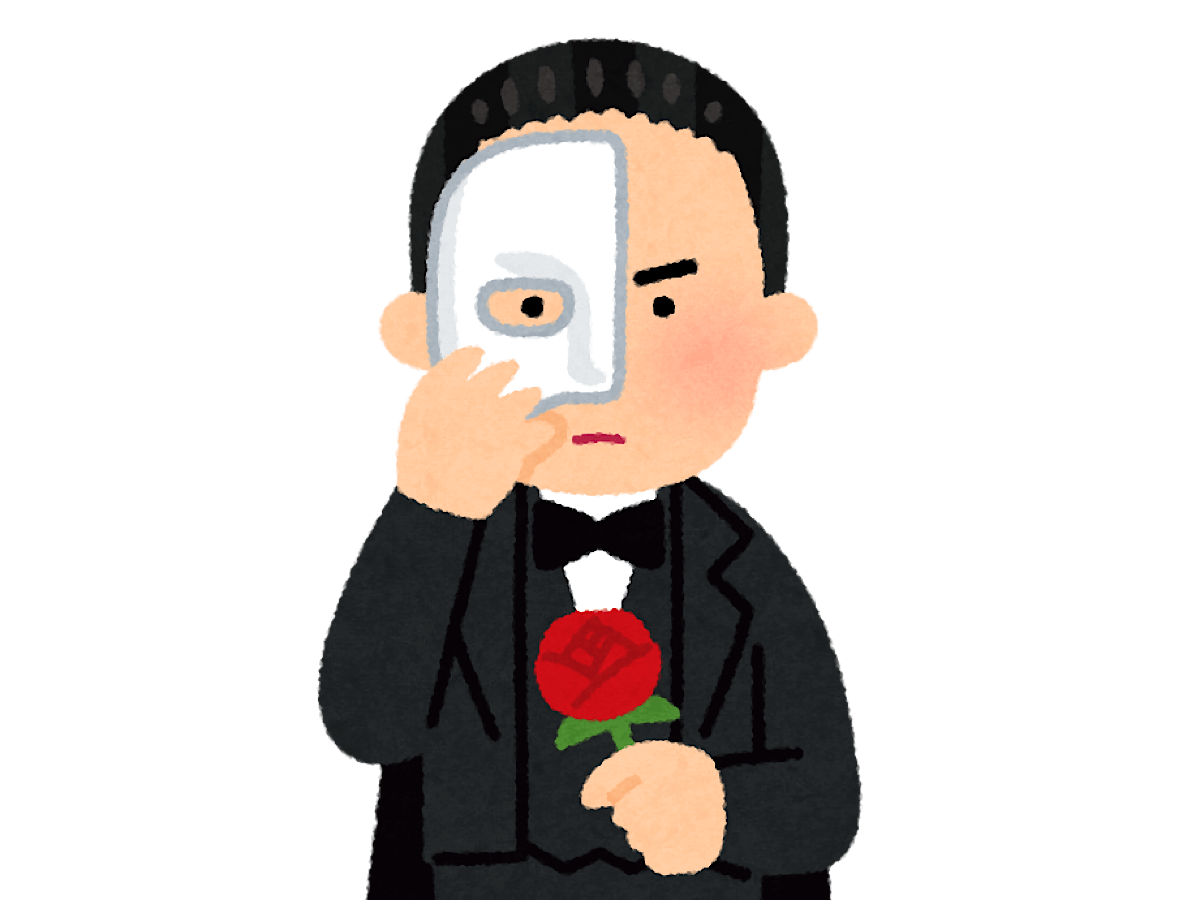
It is said that there is honne(本音) and tatemae(建前) in Japan, and it can confuse foreigners in conversation. One day, I was wondering if it was only in Japanese culture? Sure, I’ve heard it’s hard for foreigners to communicate with Japanese people because they don’t understand what Japanese people are really thinking in their minds. Also, it’s said that Japanese people never tell their true feelings. As I’ve been learning English for many years, I found similarities and differences between Japanese and Western cultures about this topic. Let’s dive in!
1. What are Honne (本音) and Tatemae (建前)?

First of all, it’s a basic question. Honne(本音) means true feelings, and tatemae(建前) means social harmony, I’d say. Funny thing is, tatemae means “white lies,” according to Wikipedia. It might be true in a sense. However, I believe everyone from all over the world should have true feelings and behave socially to avoid unnecessary conflict on a certain level. So, honne and tatemae are all around the world, but it’s a different system.
2. The Feature: Japanese Honne and Tatemae
In the Japanese language, we tend to choose a gray zone instead of saying “Yes” or “No” sharply. This is because we don’t want to hurt the other person with what we said. So the Japanese language concludes ambiguity. Sometimes you might feel it is vague. As for the ambiguity, we can understand each other without saying what they are saying. While keeping things harmonious, nobody gets hurt, plus you can express your true feelings in moderation. This is what tatemae and honne are based on.
3. Case Study #1: Business Rejections

When you suggested a proposal to your client, the client said:
① I’ll think about it.
② 検討させて頂きます。
① : In English, it looks like my client will think about your proposal, but this phrase expresses “No” in business settings for Americans. They know it as the sign of rejection by their practice. Thus, there is a gap between the literal meaning and the actual one. It is based on their practice.
② : In Japanese, this phrase literally means my client will think about your proposal, but there are some words, “させて頂きます “make Japanese people feel less likely to think about your proposal. It’s not impossible, but there are few chances. Plus, the way of using “させて頂きます” expresses politeness and consideration to others. This is so ambiguous, but you have to read between the lines. We consider it a virtue not to reject someone in person.
4. Case Study #2: Dating Rejections
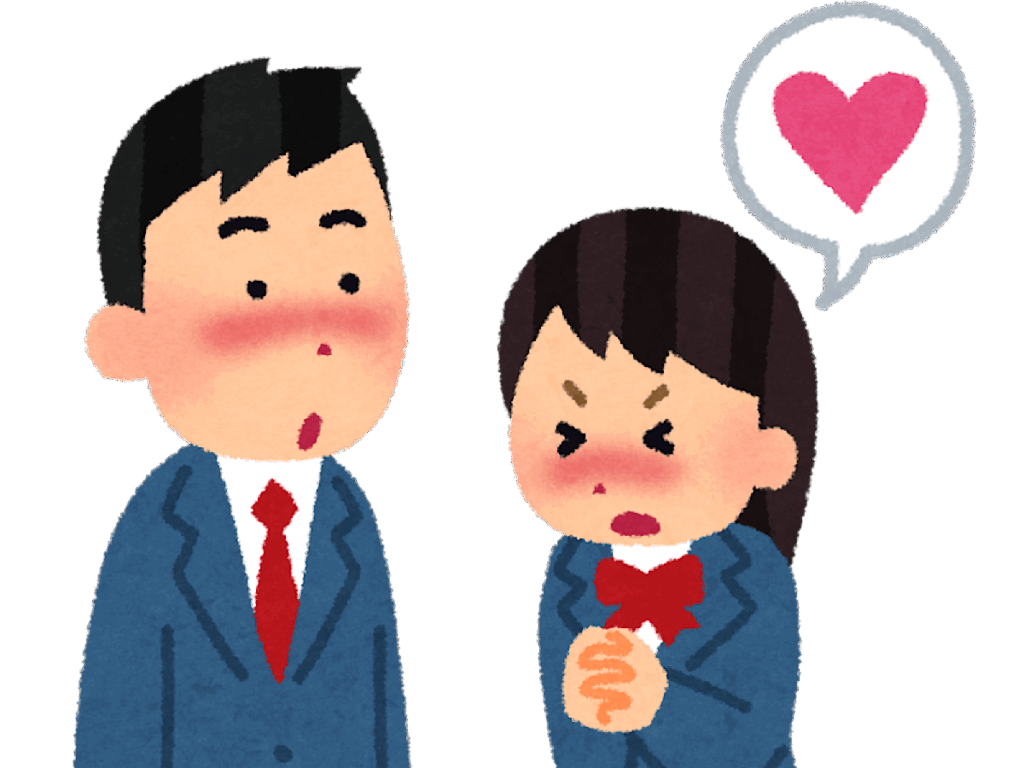
When you have to turn down a request from someone asking you out on a date, you might say:
① Let’s take things slow and see where this goes.
② ゆっくり進めましょう。
① : In English, it doesn’t necessarily indicate a full rejection, and it even looks like a subtle chance, but most Americans will recognize it as a rejection by their practice. There might be consideration for others so that you don’t want to harm them. There is ambiguity.
② : In Japanese, likewise, it doesn’t necessarily mean a full rejection, either.. In fact, and, perhaps, even worse, the other might actually expect to get a much higher chance to go on a date. Literally, it doesn’t contain any literal form of rejection, and yet, we can understand that the other might simply be showing consideration to me by allowing me to “save face.” Usually, however, we can recognize that it’s no chance, I’d say. You need to read between the lines of this ambiguity.
Here’s an important point: This is the difference in how we see the other. There is ambiguity for both languages. English and Japanese both might involve “consideration for the other,” but English speakers consider the other as a person who is decisive, understanding, and independent. So the conversation is based on mutual respect for understanding. In that way, the conversation consists of their practice without consideration in their sentence, I’d say. While Japanese speakers consider the other as a person who is considerate of others, perceptive, and delicate. So we incorporate the consideration into the sentence to avoid hurting the other. In that way, our conversation has more ambiguity, and we feel it as a consideration for me.
5. The Real Problem of Both Languages.
As I said in No.4, the problem might happen below.
-Japanese people think the expression in English is vague and ambiguous.
-Japanese people perceive the vague and ambiguous in English as a consideration for Japanese people because of their Japanese cultural background.
-Japanese people believe you’re trustworthy because they feel your consideration for them in your ambiguity of the sentence. In that case, Japanese people expect too much for you. You might think, “Why do Japanese people expect me yet? “ Of course, it’s vice versa. The more you understand Japanese and this ambiguity, the more the problem gets complicated.
To conclude
Honne and tatemae aren’t only Japanese culture, I’d say. It’s really amazing to try to understand another culture, but you need to know how difficult it is. Especially this ambiguity; honne and tatemae. Unfortunately, it might be impossible to fully understand each other. Don’t get me wrong, I’m not pessimistic, that’s why we need to make sure to tell each other how you feel when you get confused. This is because we both have different types of empathy and insight. Nothing beats asking what you are thinking in person. I hope your time in Japan will be a wonderful one. Thanks for taking the time to read my article to the end. See you in my next article!

I worked at a trading company for many years. I live in Tokyo with my wife. Love skiing, traveling, IPAs, wine , X-treme sports, fashion, and learning English and Chinese.


 HTJ has a YouTube page! Check it out