
There are tons of posts and blogs about Kyoto. To be honest, I avoided going there because of over-tourism, but I got a chance to visit there this time. Looking back, I lived in Osaka for 20 years, and I visited Kyoto many times. I loved the vibes of mixed historical sites and modern, simple culture. I went back to there last time almost a decade ago. Today, I’m going to share what I thought about Kyoto. Let’s get started.
1. Kyoto Station
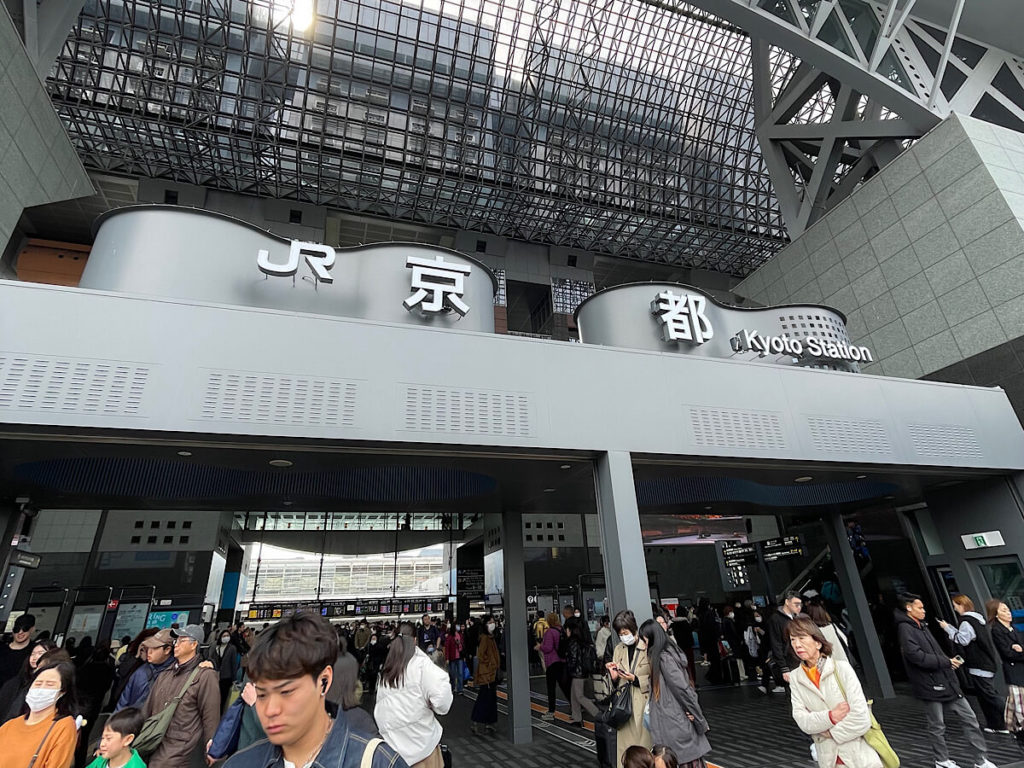
My wife and I went to Kyoto from Tokyo Station by Shinkansen. We didn’t book our seats for the Shinkansen because there would be fewer passengers on Friday afternoon, but it was a bit of a mistake. We had to head to the platform to secure our seats. I recommend that you should book it in advance. It takes around two hours or so to get to Kyoto Station. The building is quite modern, was designed by Hiroshi Hara, one of the famous architects in Japan, also he was also known for designing the Sky Building in Osaka.
While in Kyoto Station, I felt so spacious and airy. The only downside was that it was too crowded to get around freely. If you have time, you might want to go for a walk at this building. There are a lot of restaurants and shops. Well, it’s not today, let’s go to ride a taxi. There might be a long line to wait for the taxi, but don’t worry about it. You won’t wait there as long as you might expect. It’ll take around 20 min to get it.
https://www.kyoto-station-building.co.jp
2. Rokkakudo (六角堂)
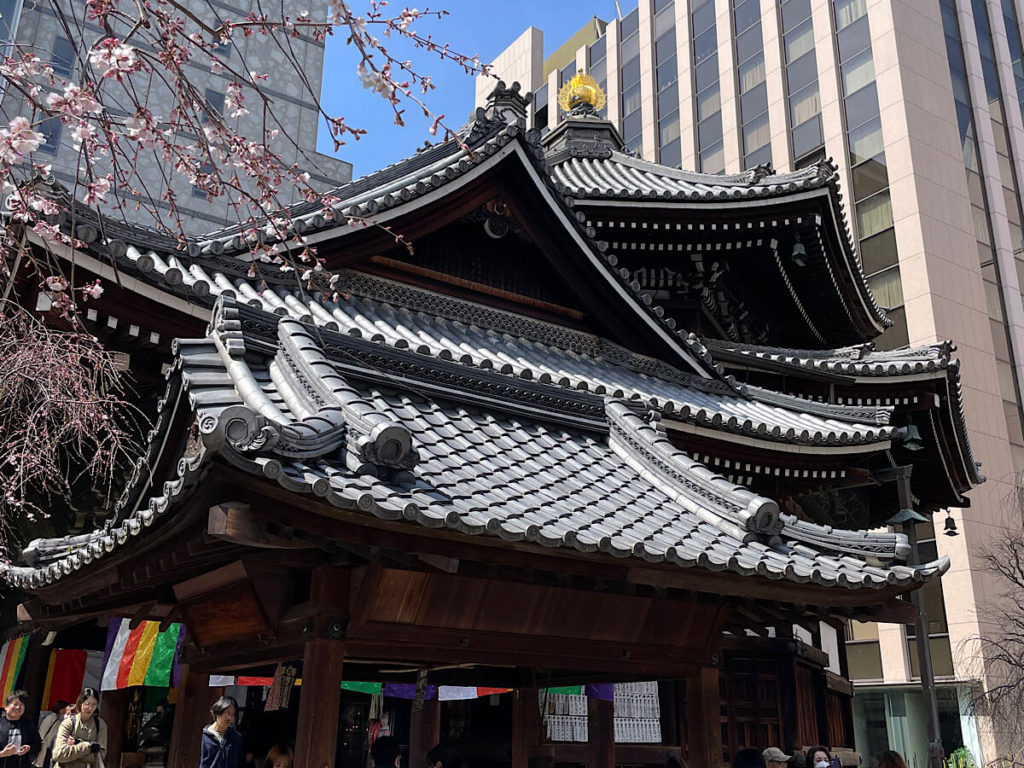
Rokkakudo is located in a busy area. What does “Rokkaku” mean? The roof’s shape of the main building is a hexagon in Japanese. It was built in 587 by Shotoku-Taishi (聖徳太子), Prince Shotoku, who is a well-known figure among Japanese people. You can look at the shape by taking an elevator, which is next to the building. There are also important cultural properties. Looking at the rare shape of the architecture, it feels a bit of different from other temples. Can you imagine that it was already built 1400 years ago?
https://share.google/EOtu6FMdpEh4UJJQK
3. Shijyodori (四条通り): Shijyo Street
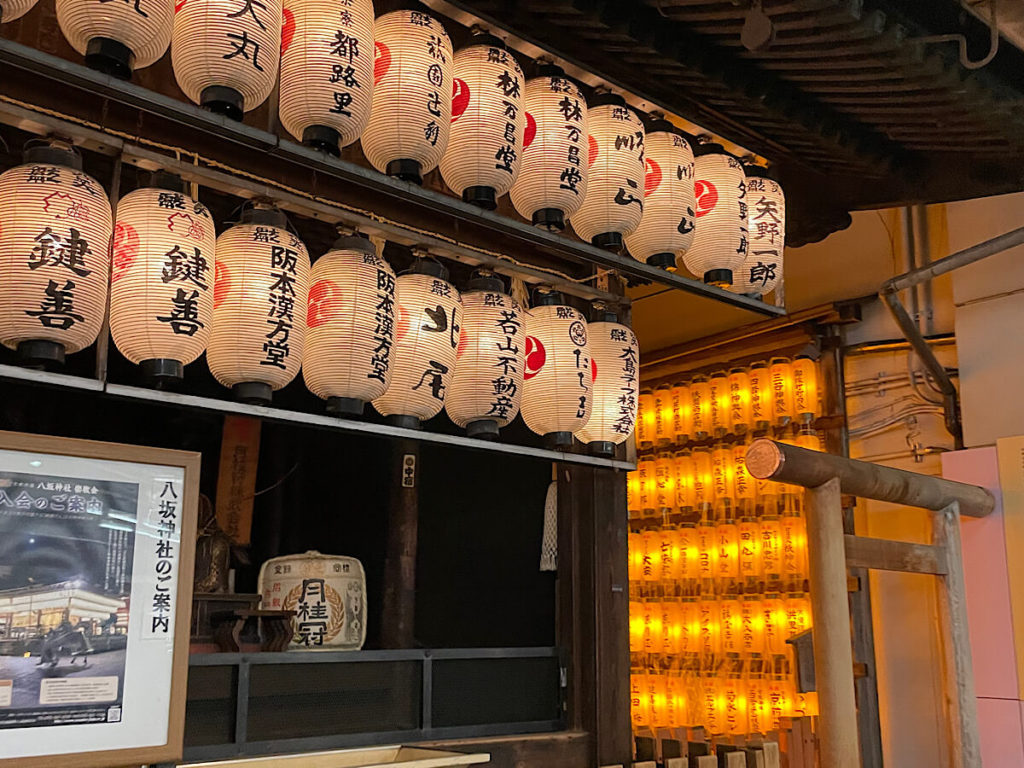
Just so you know, I want to tell people who might not know this, people in Kyoto are sophisticated when it comes to fashion. In my opinion, they look minimal on the surface, but deep down, it has trends in their material and shapes of closing. A long time ago, the Japanese emperor was in Kyoto. As many new things and stuff brought him, so people affected, I’d say. When you walk around this street, you will find how fashionable they are. There are a lot of unique apparel shops. You never get bored.
4. What Kind of Vending Machine Chants Sutras!?
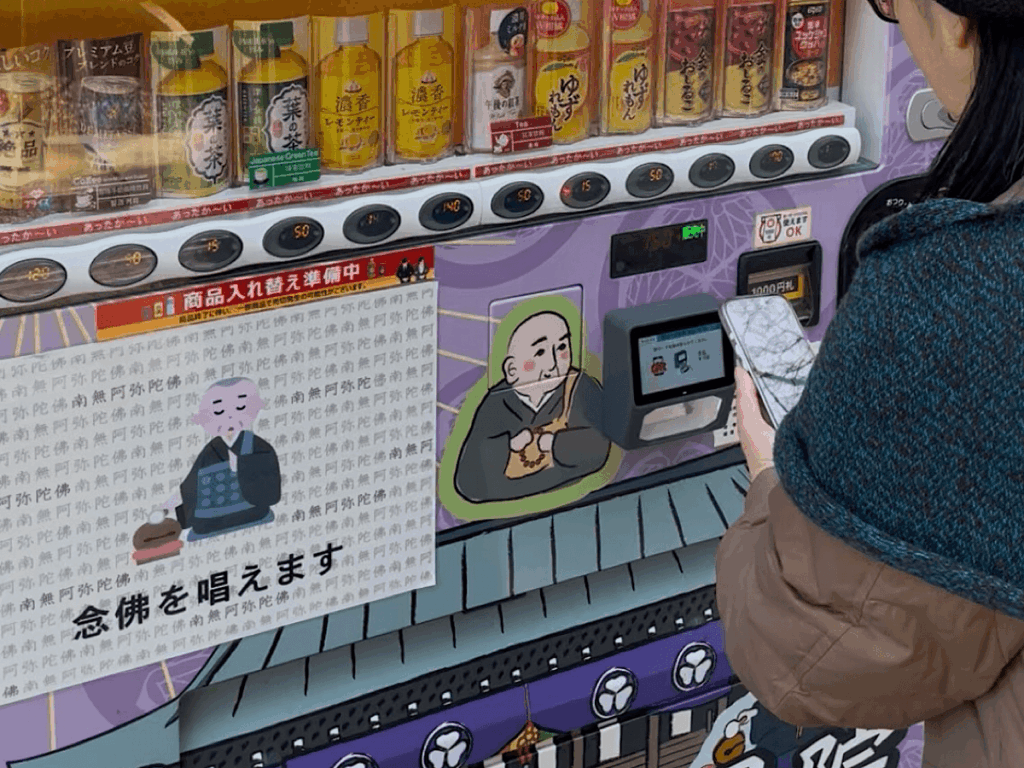
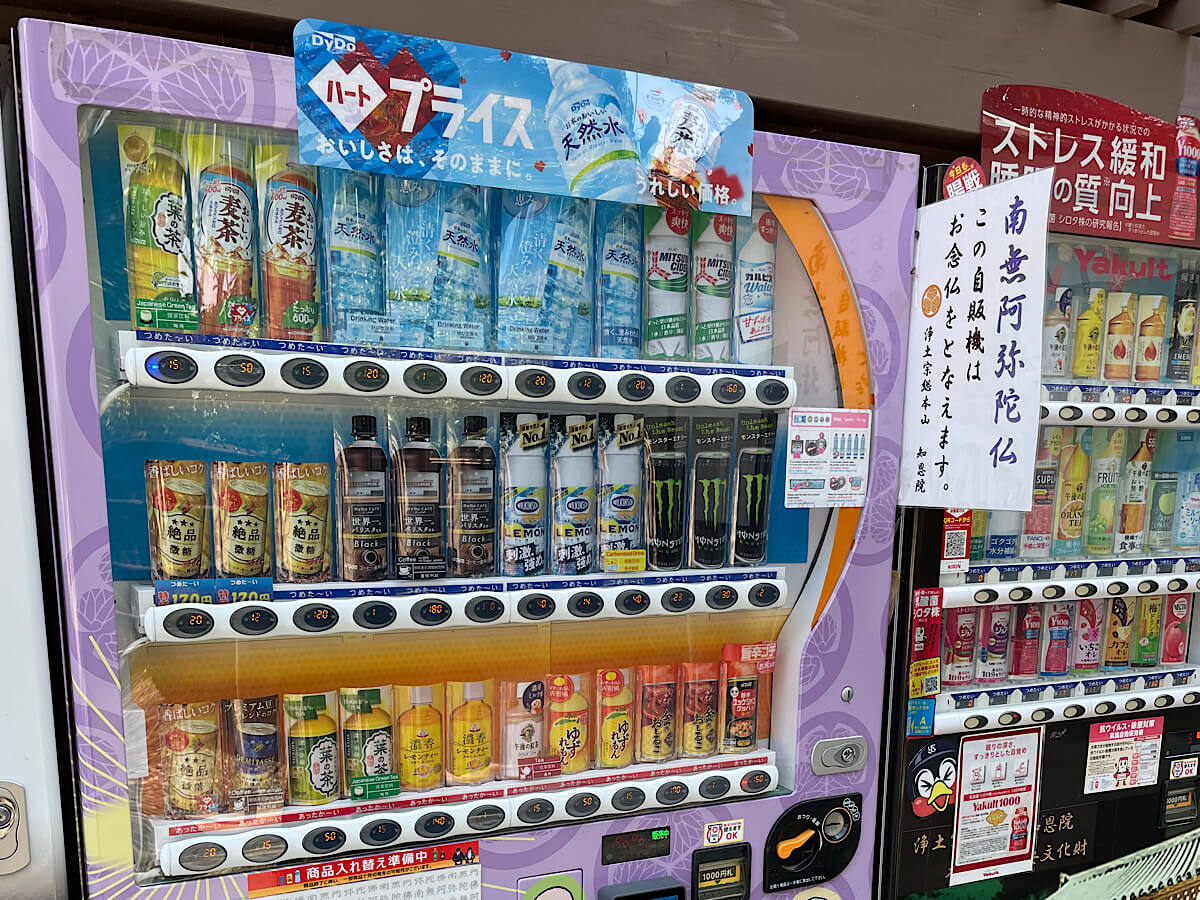
This vending machine is extraordinary. I wrote my articles about the vending machines, and I know how wonderful Japanese vending machines are, but I’ve never seen this type before. I tried it, and it chanted sutras! There is this amazing machine in Chion-in (知恩院). It chanted the sutra “南無阿弥陀仏” for around 30 sec. It is a surreal moment because it’s a blend of technology and Buddhism. It might taste special for common water. You definitely give it a shot. Well, after drinking sacred water, there are a lot of places you should visit. Let’s have a look.
*If you have a chance, look at my previous article about vending machines in Japan below.
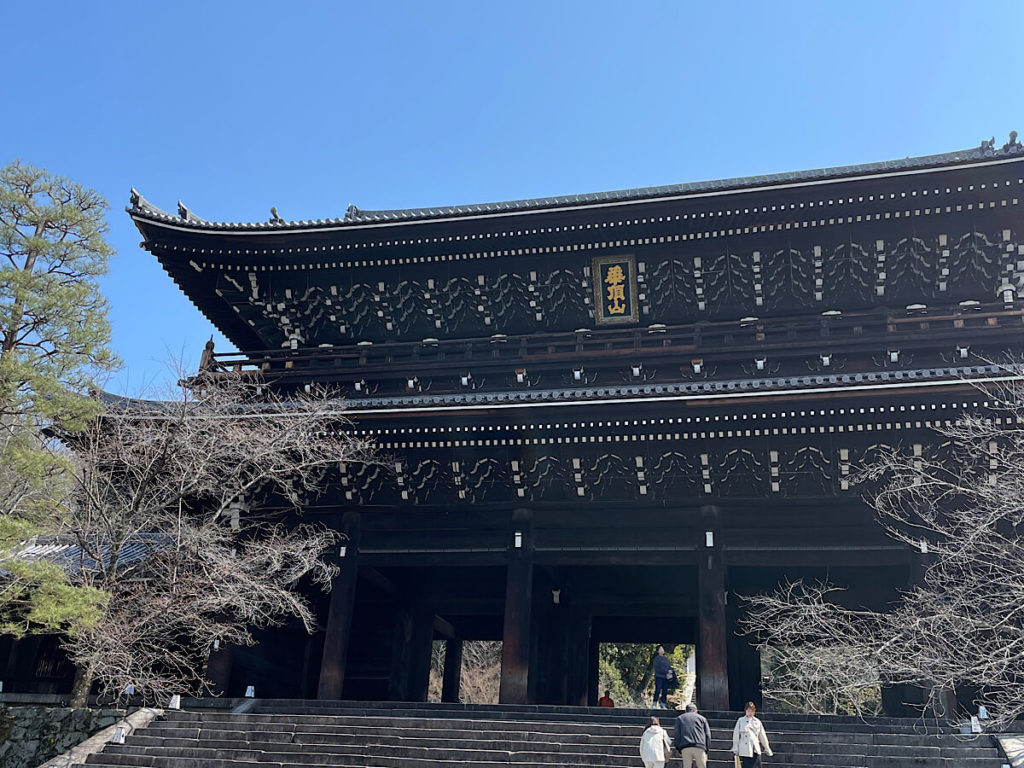
Sanmon(三門)
Nightingale Hallway (Uguisubari-roka: 鶯張り廊下)
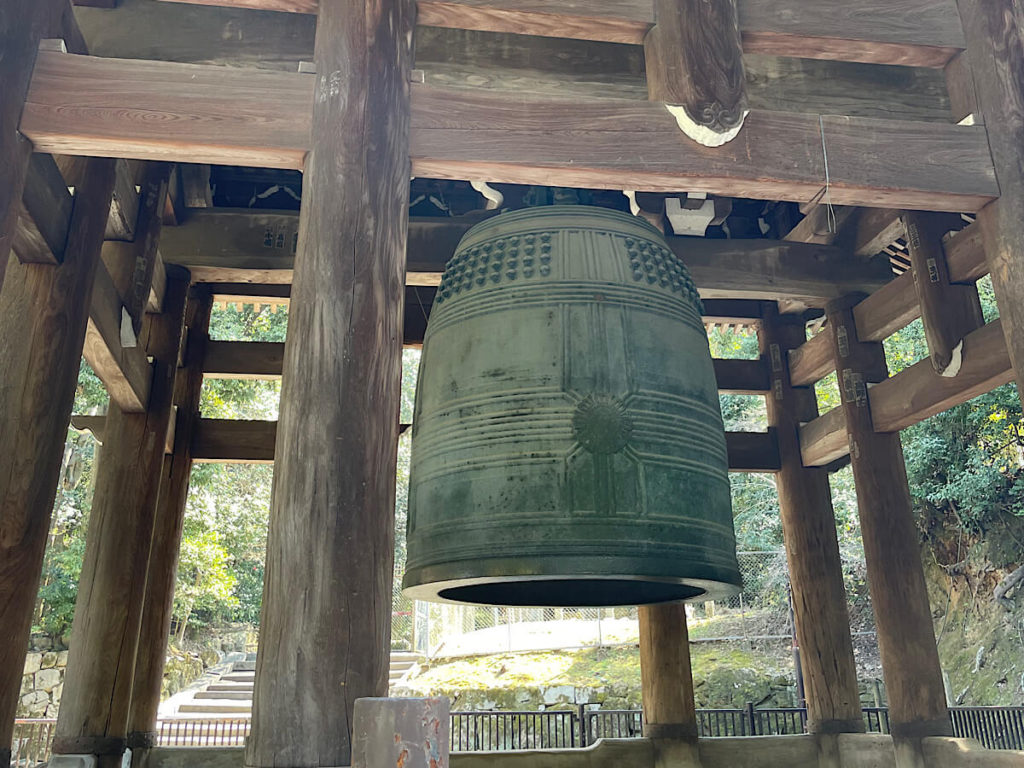
Daishoro (大鐘楼)
Yuzenen (友禅苑)
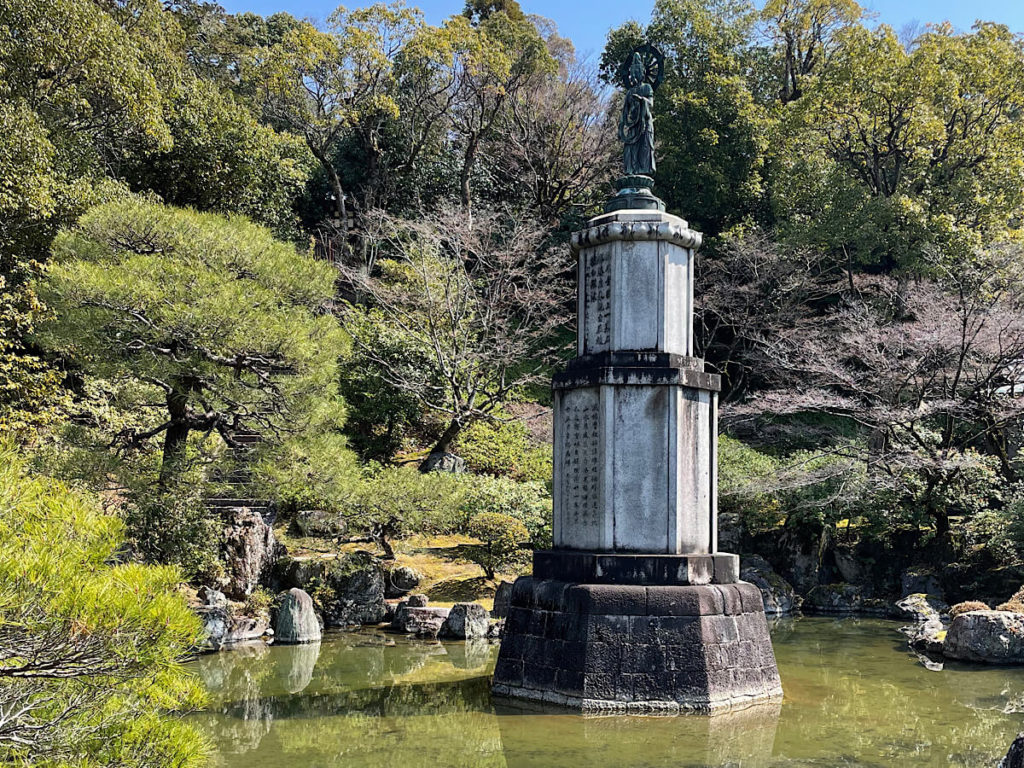
Imobou (いもぼう)
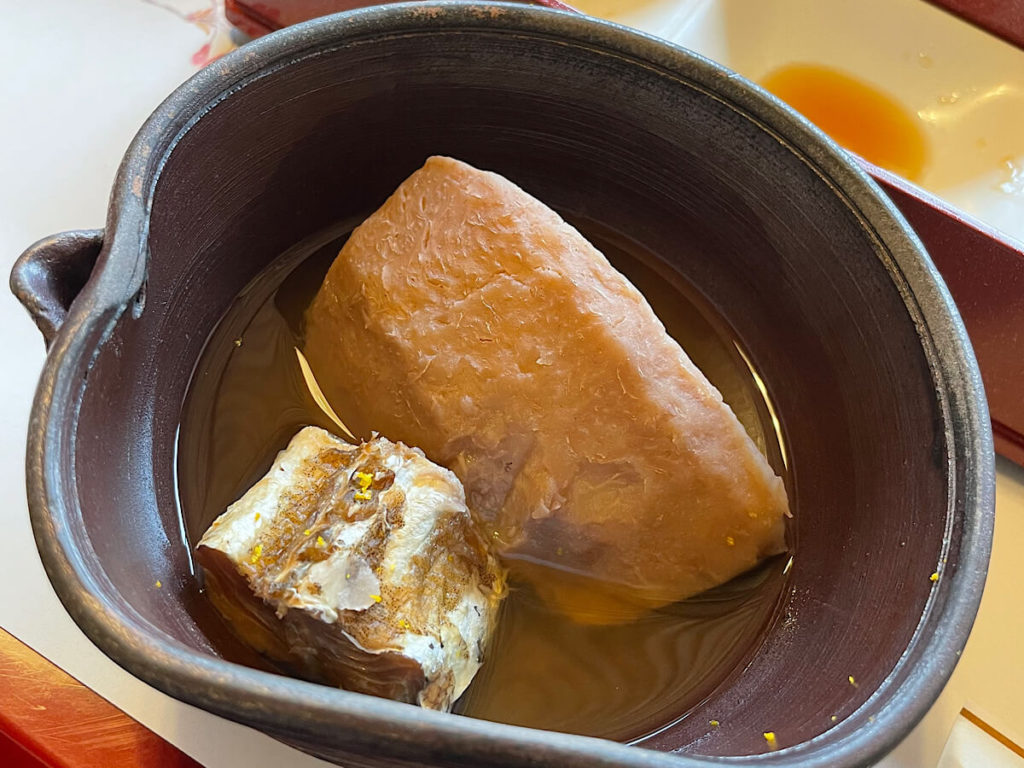
いもぼう平野家本店
https://share.google/nI5ndHt1HFy43bGHj
Actually, there are a lot of must-see places in Chionin (知恩院). You can spend a whole day. Further details are below.
5. Tofukuji (東福寺)
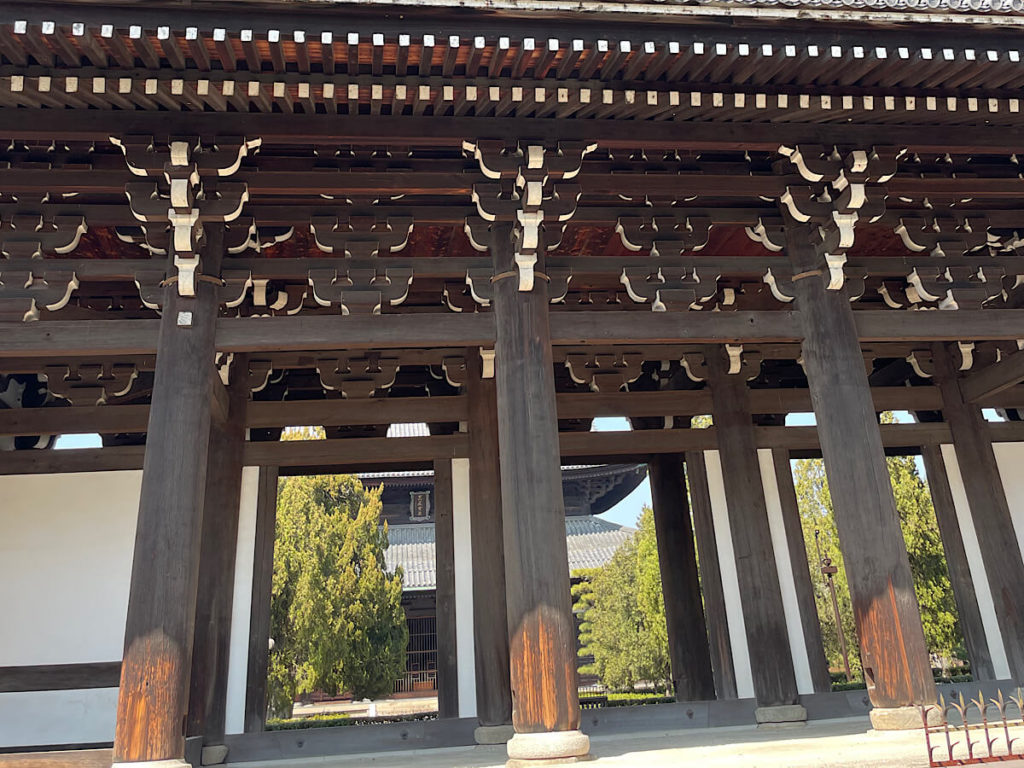
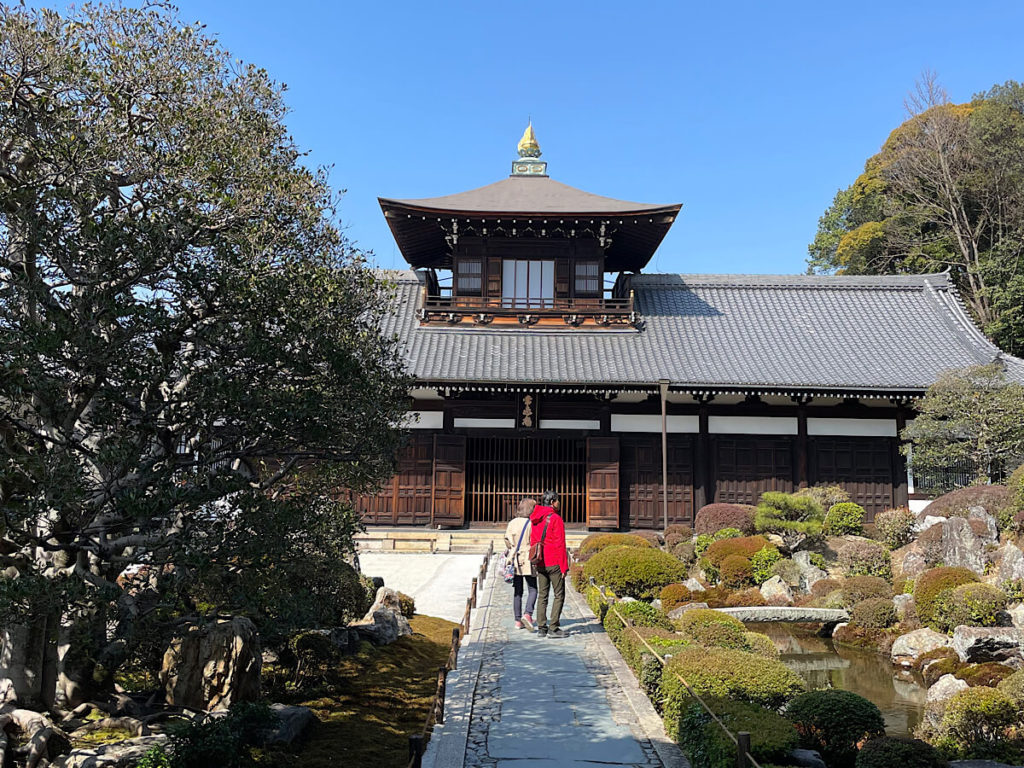
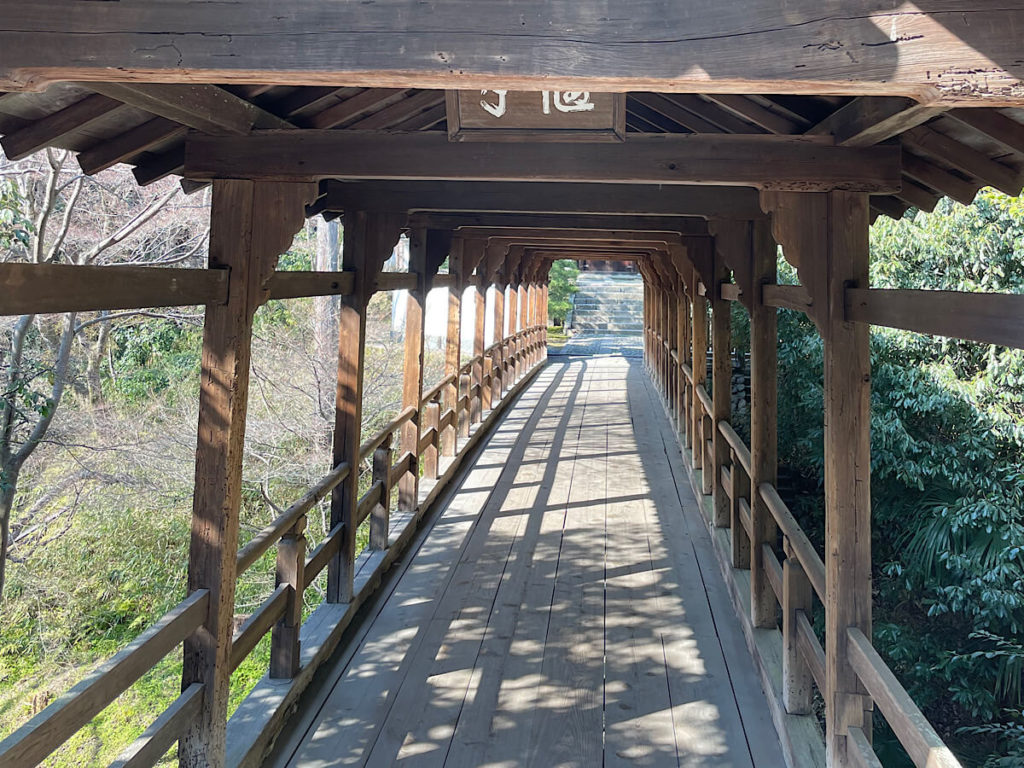
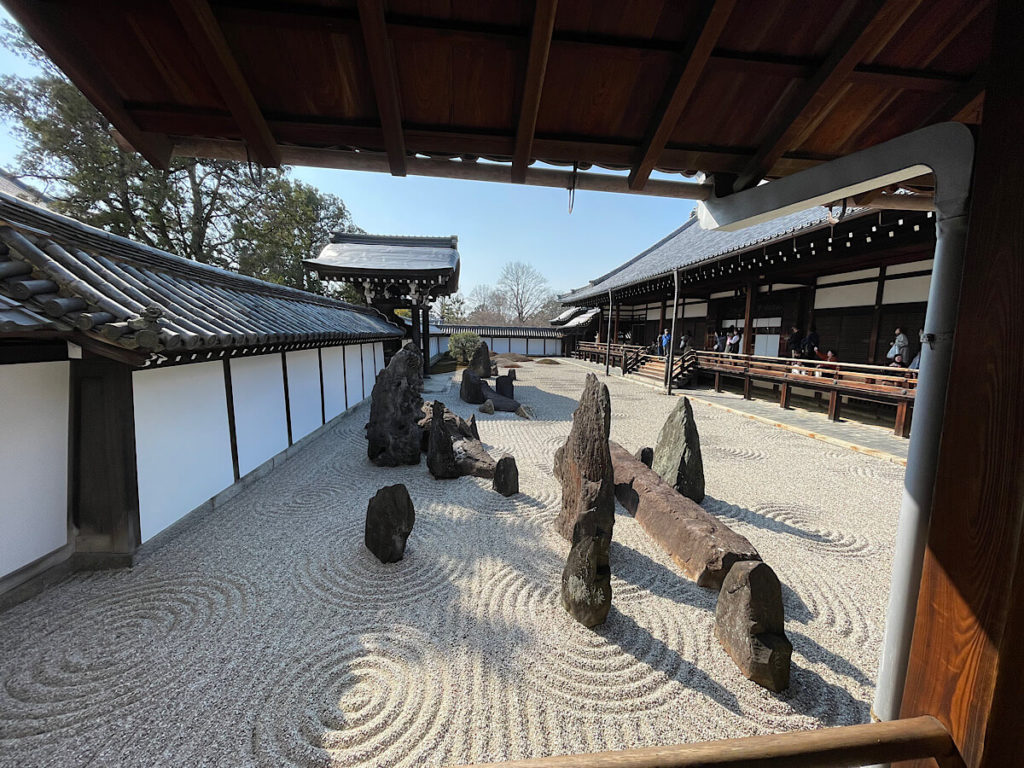
6. Nijojo (二条城)
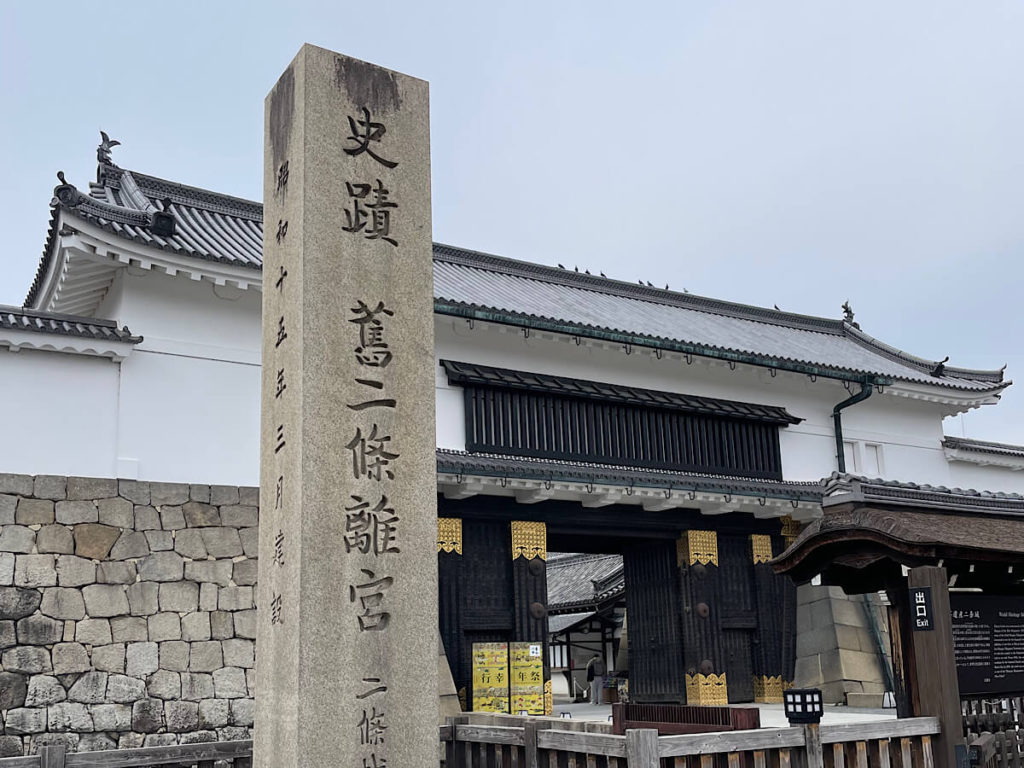
To Conclude
How was that? Actually, I underrated Kyoto because I knew it, but that was a big mistake. There are still a lot of places worth visiting. It has changed everything since I last visited there, but I relearned that Kyoto has unique vibes. There are a lot of time-honored traditions that has been for a thousand years. On the other hand, there are modern areas here and there. This mix feeling is quite appealing, I’d say.
Thanks for taking the time to read my article to the end. Oh, last but not least, don’t forget to book your ticket to return to Tokyo if you take the Shinkansen. There were no Nozomi tickets on the weekend afternoon if you wanted to buy them on a whim. Actually, we barely got a ticket for a slower train… See you next in my article.
I worked at a trading company for many years. I live in Tokyo with my wife. Love skiing, traveling, IPAs, wine , X-treme sports, fashion, and learning English and Chinese.

 HTJ has a YouTube page! Check it out