
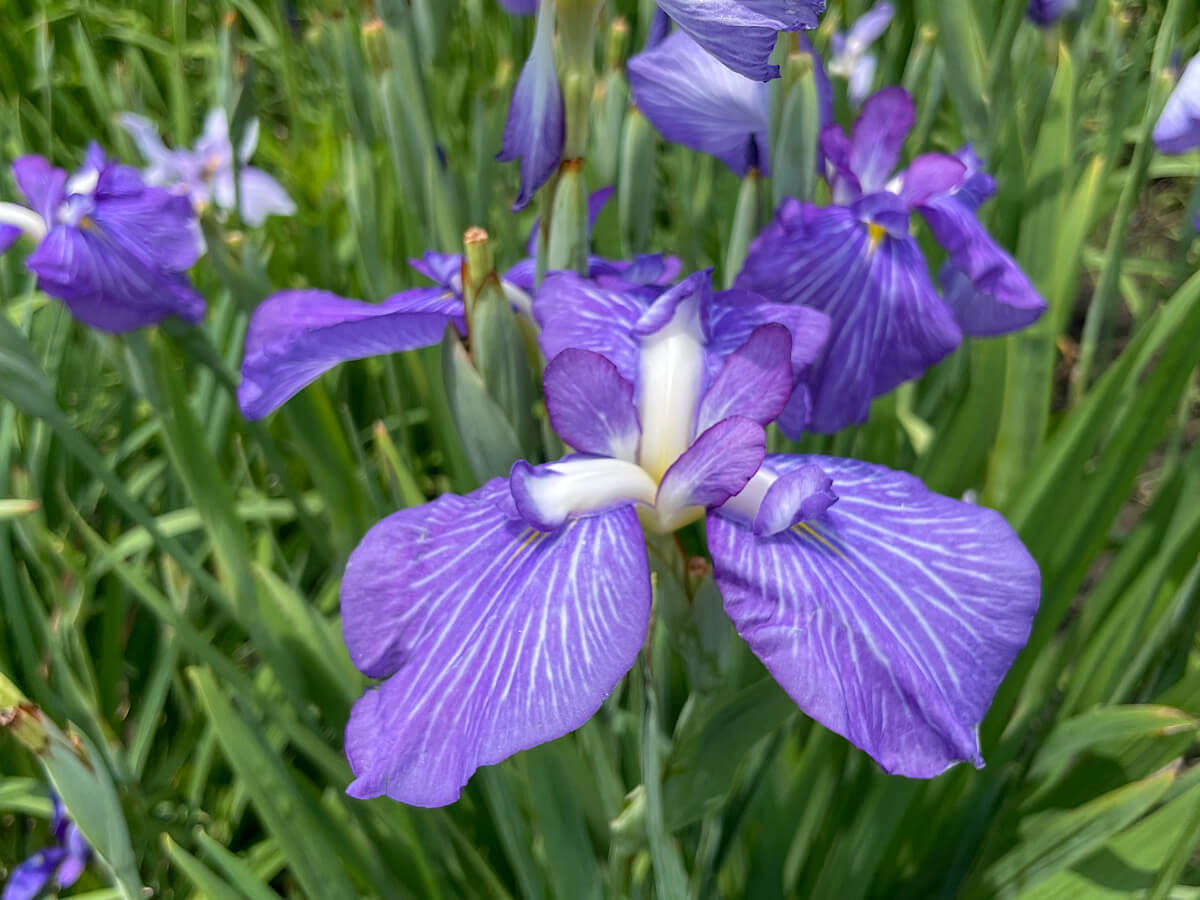
Each season has its own unique flowers. When it comes to viewing beautiful plants in Japan, you might instantly think about cherry blossoms, Hanami. Yes, I don’t argue with that, but actually there are more opportunities to appreciate seasonal flowers. Today, I’m going to share places where I visited. I also found a hidden gem of a nice beer stand. Let’s get started!
1. What Is Japanese Iris?
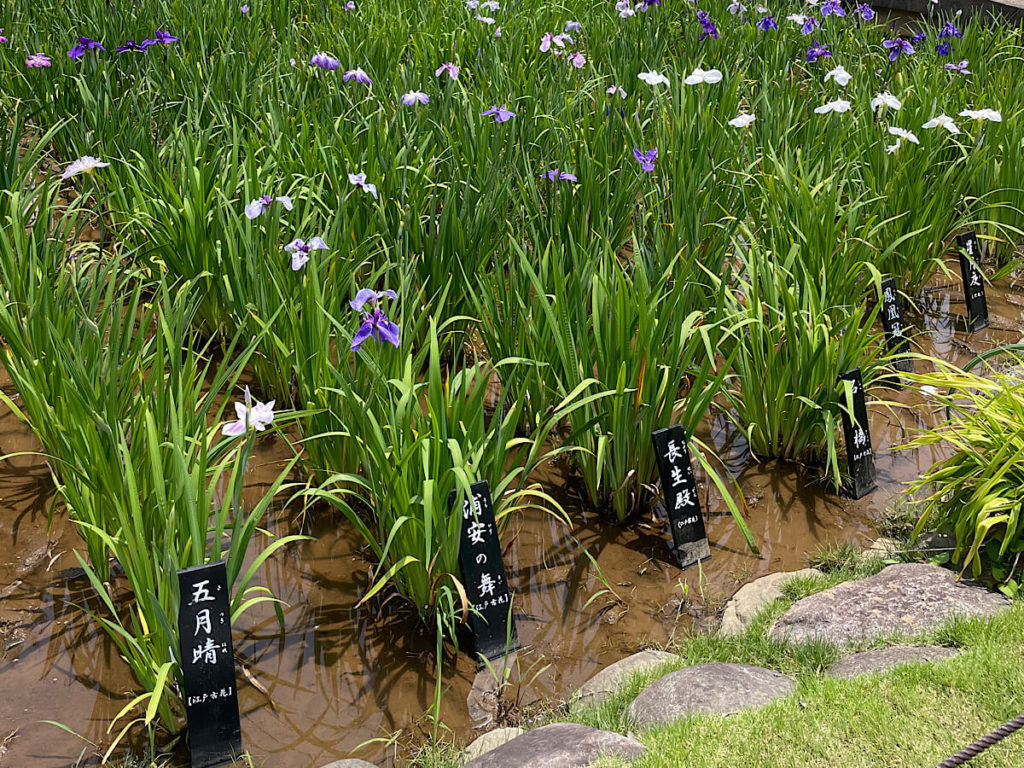
Meet the Hanashobu (花菖蒲) – Japanese Iris
I’m not going to lie, I didn’t know that Iris was Hanashobu until I wrote this. Its scientific name is Iris ensata. During the muggy rainy season, the big colorful purple, pink, blue, and white petals delight locals. In the Japanese flower language, they symbolize “elegance”, “kindness”, and “compassion.” Hanashobu is a broad category that has around five thousands kinds of flowers, and there are some plant lineages that come from the Edo era (1603-1868). Sadatomo Matsudaira (松平定朝), was a hatamoto (旗本) which means a high ranking samurai in the direct service of Tokugawa shogunate. He was not only a samurai but also an enthusiastic horticulturist. During that time, horticulture was getting popular for people. Samurai must not only practice martial arts but also they must learn tea ceremonies and horticulture as a form of mental training. This is because excellent samurai were meant to excel both physically and mentally. Also, common people started enjoying appreciating plants and flowers. So you can see many ukiyoe (浮世絵, traditional woodblock prints and paintings) featured flowers from that era. Plus, he was a one of a kind horticulturist and dedicated to creating new types of hanashobu by selective breeding. He invented more than 200 species of the flower and contributed to a big leap in this field.
2. Horikiri Iris Gaden-Where Edo Lives On
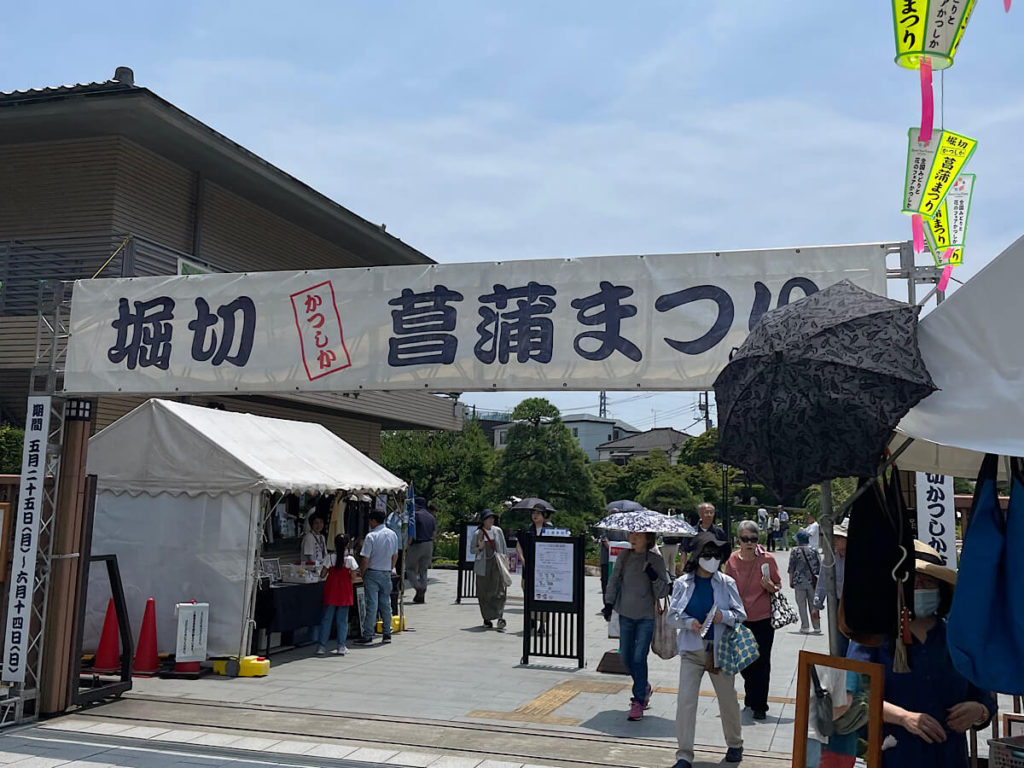
堀切菖蒲園
https://share.google/dwm0Tz8caOfx6vAAy
From the end of May to the middle of June, Katsushika city (葛飾区) holds Iris Festival (菖蒲祭り) at Horikiri Iris Gaden (堀切菖蒲園) and Minamoto Park (水元公園). They offer free shuttle buses to both venues on weekends.
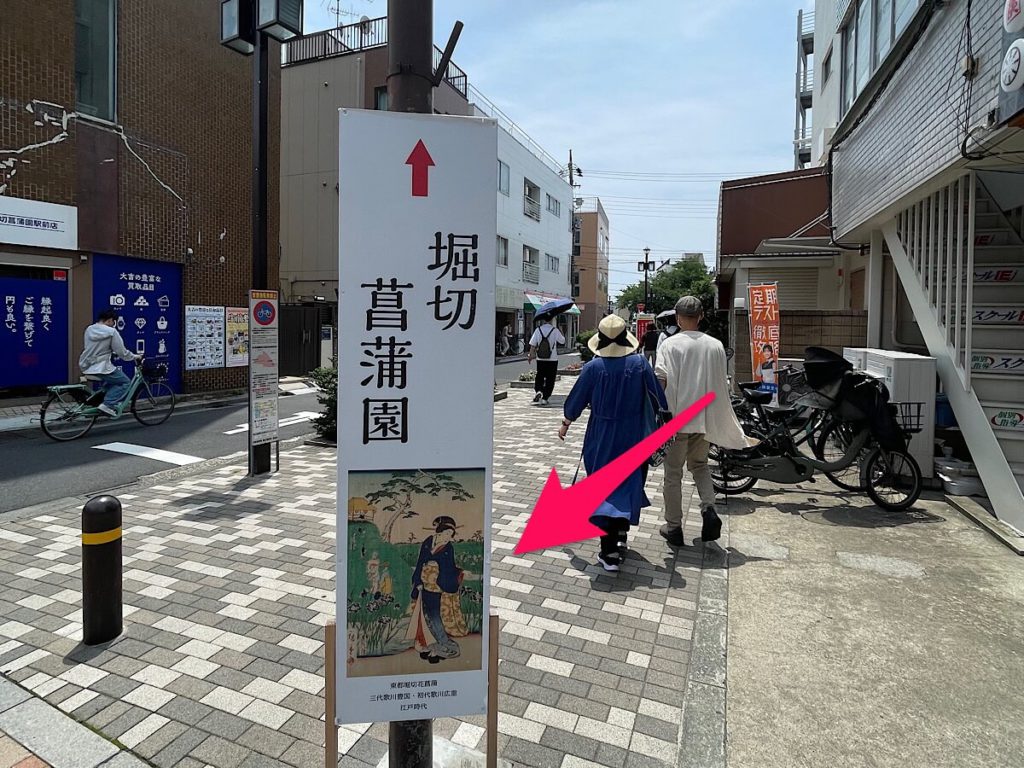
Iris Confusion 101
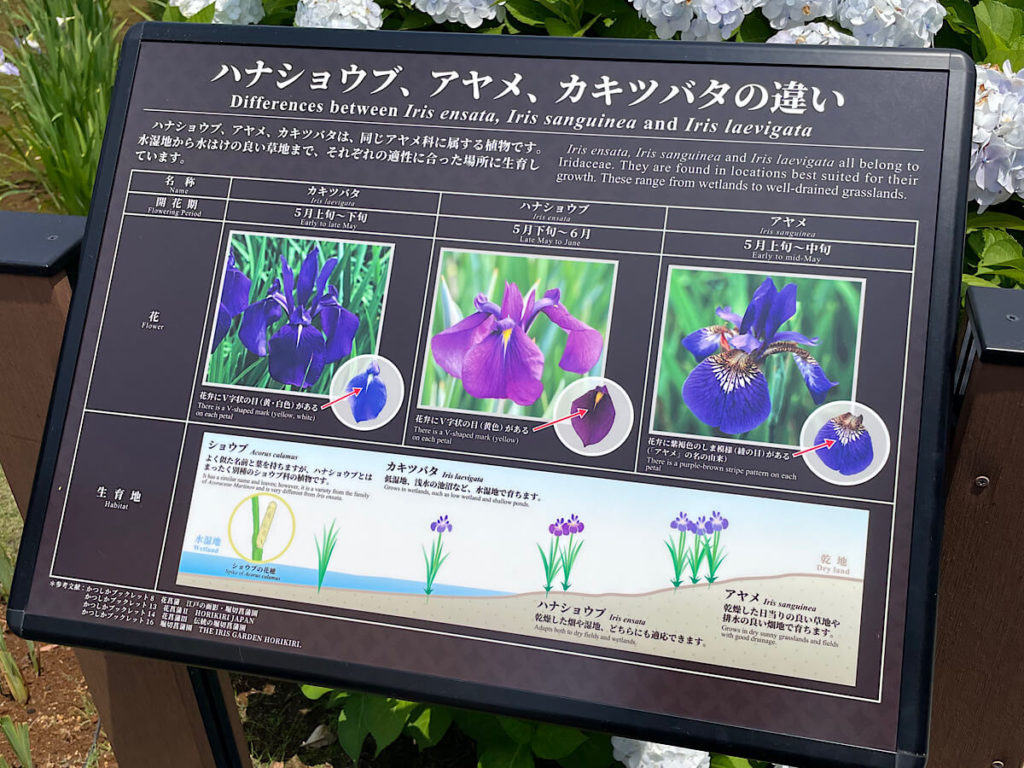
Horikiri Mizube Park (堀切水辺公園)

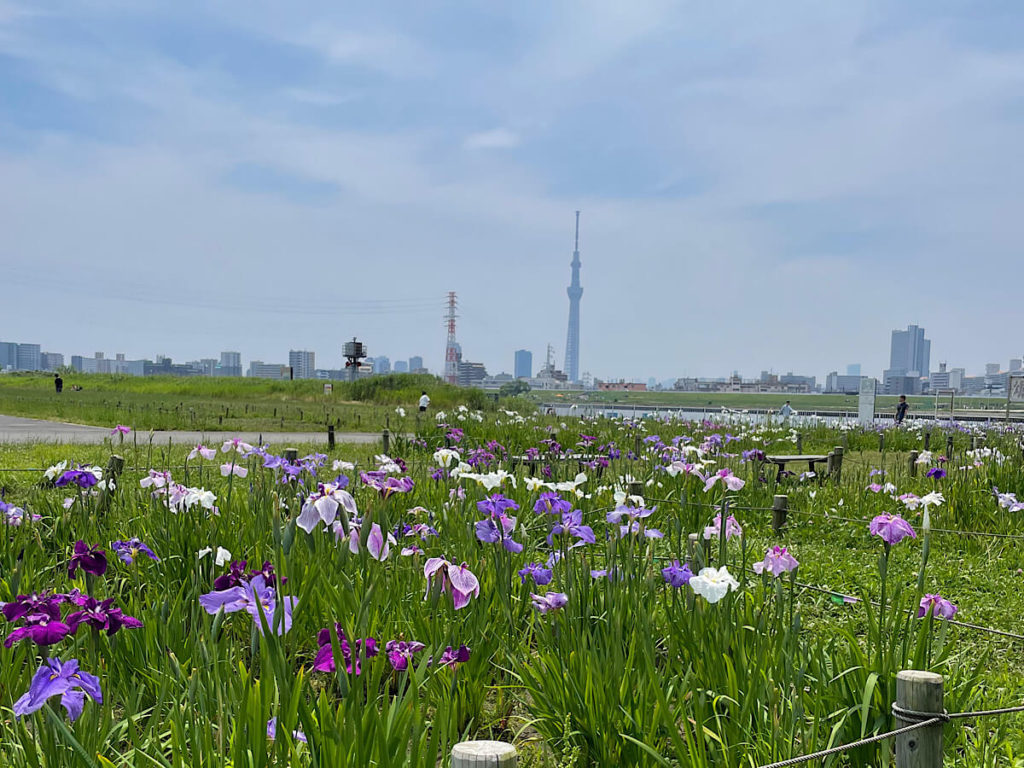
堀切水辺公園
https://maps.app.goo.gl/jdazKv6qVBkaA3rZ9?g_st=ic
Let’s go back to the narrow street and go to Horikiri Shobuen Station (堀切菖蒲園駅). Then, we will take the Keisei Line and go to Ohanatyaya Station (お花茶屋). It’s only one stop, but I definitely recommend taking the train. The distance of the train stops is different from in the downtown areas.
3. The First Sip Today!
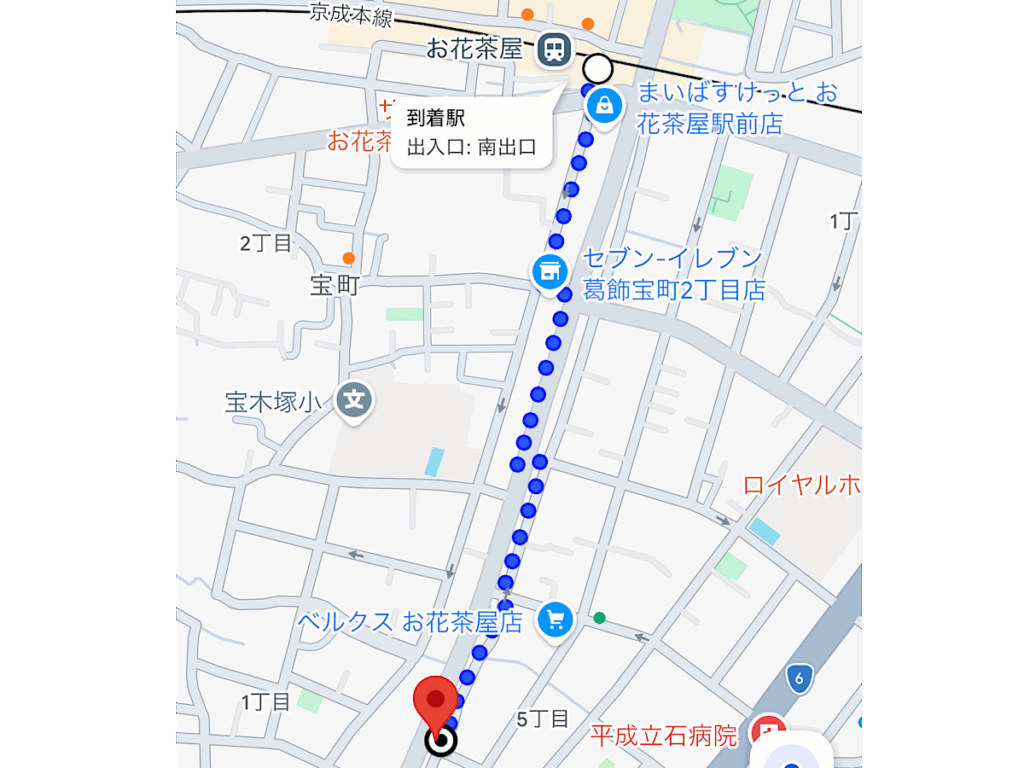
Well, speaking of Ohanatyaya Station (お花茶屋駅), it was named after a girl who helped the 8th Shogun, Yoshimune Tokugawa. When the shogun went hunting, he got sick and went to a tea cafe (tyaya, 茶屋) to rest. Thanks to her dedicated help, he got better. Her name was Hana (花), and the Shogun allowed her family’s cafe put her name on it. Unlike the hustle and bustle of the downtown area, you can chill and relax here. At Hikifunegawa Shinsui Park (曳舟川親水公園), locals volunteer plant Hanashobu along the park side. Also, there are street vendors in the park.
曳舟川親水公園
https://share.google/5dp1sKor63JLFdG1J
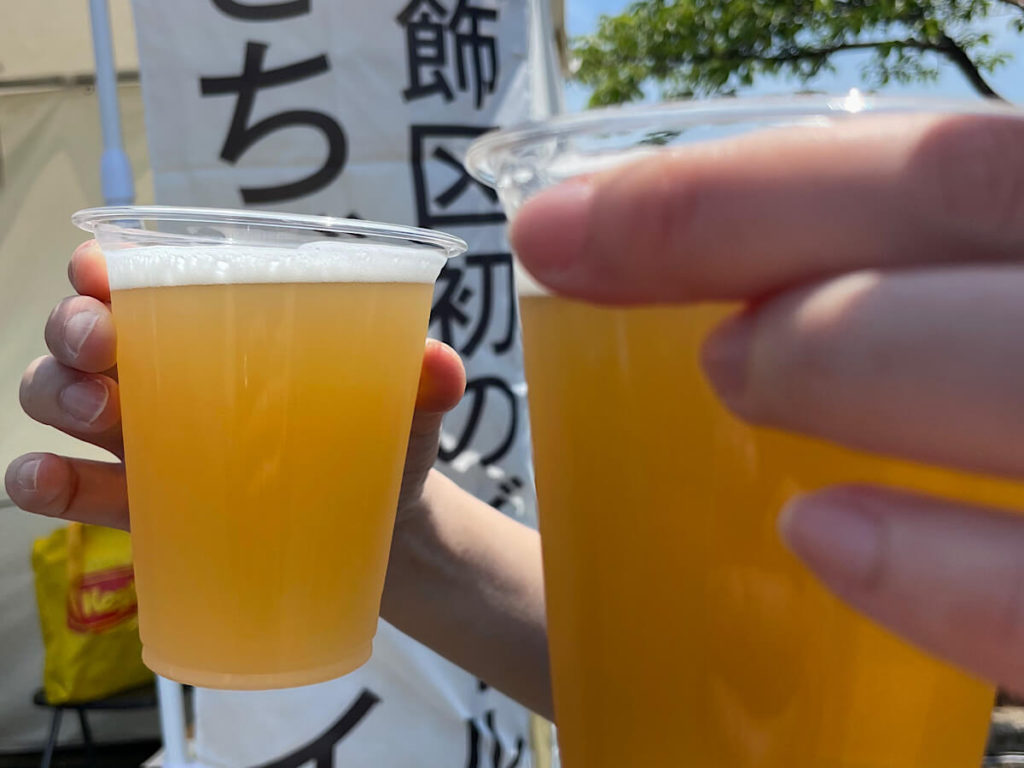
I’d like to visit their brewery next time!
Kichi Brewing (きちブルーイング)
https://www.instagram.com/kichibrewing?igsh=b2pxeXdnN3RueW12
After enjoying beer, you’re going to take free shuttle bus to Mizumoto Park (水元公園) from Hikifunegawa Shinsui Park.
4. Mizumoto Park One of The Must Visit Places
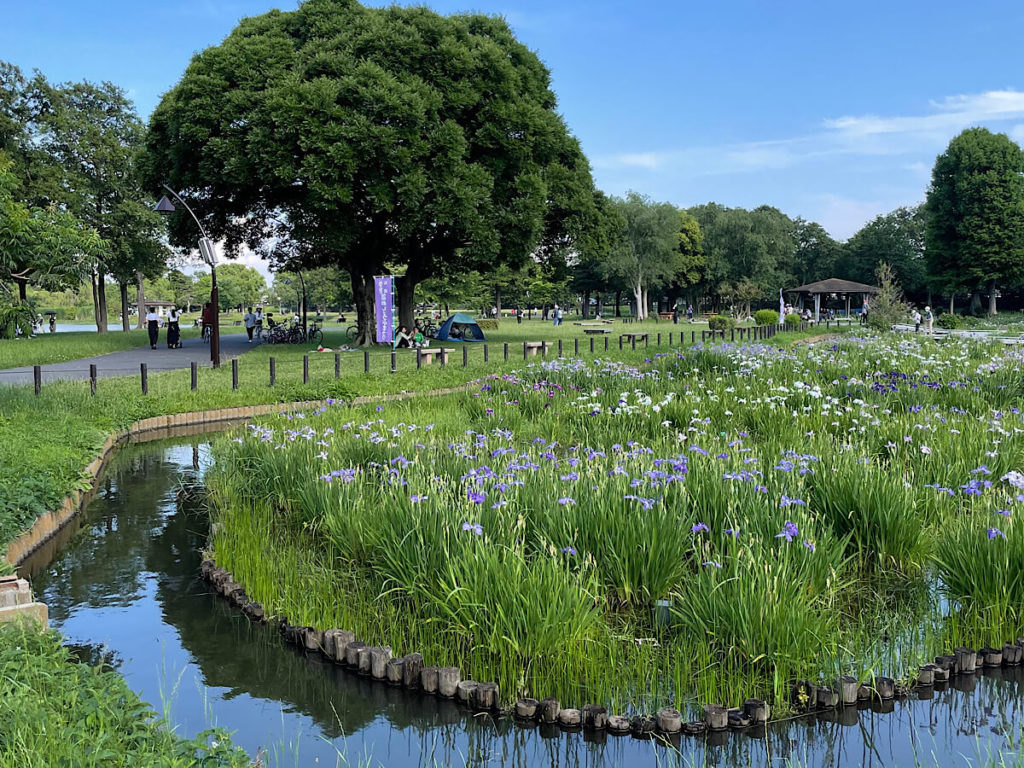
Mizumoto Park (水元公園)
https://honyaku.j-server.com/LUCTMPA/ns/tl.cgi/https://www.tokyo-park.or.jp/park/mizumoto/index.html?SLANG=ja&TLANG=en&XMODE=0&XJSID=0
Well, it’s time to sip the next beer, let’s go! We’re going to Kanamach Station (金町駅) from Mizumoto Park by free shuttle. And then, we take the Keisei Line to Keisei Tateishi Station (京成立石駅).
5. Craft Beer and Soccer Town
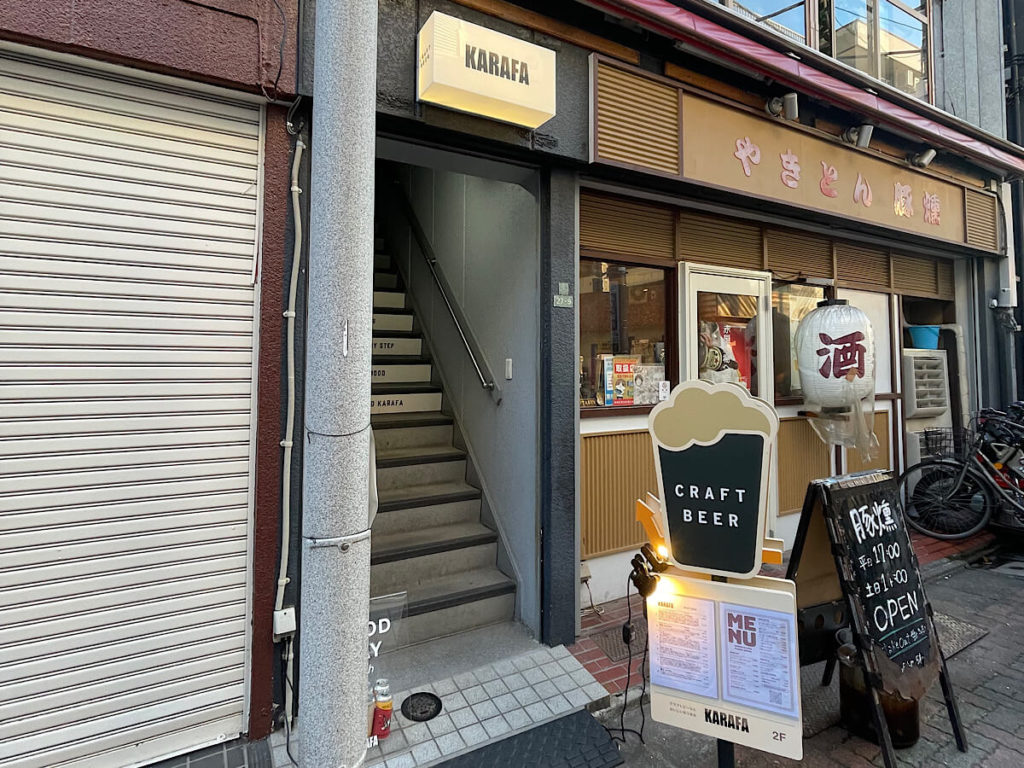
The beer stand, KARAFA, is located closed to Keisei Tateishi Station (京成立石駅). It’s not big but it’s a really cozy space. It’s only 12 seats. What makes this special is stout beer. They always have three stout beers on tap. It’s a crazy idea that they always have three stouts on tap in a shop of this scale, right? I don’t think stout beer is so popular in Japan, so it has a risk in running business. According to a local newspaper, he wants to deliver the amazing taste of stout beer to many people. When he worked at beer restaurants as a part-time job in university, he decided to own his beer stand sometime. After graduating, he worked at a brewery to learn how to make beer for a while. Then the rest is history. I really admire the young guy who is the owner of this stand. When you visit Keisei Tateishi, this is a must-go place.

Well, it’s time to leave before my wife gets upset.
KARAFA
https://www.instagram.com/karafa_beer?utm_source=ig_web_button_share_sheet&igsh=ZDNlZDc0MzIxNw==

Let’s find all the characters!
https://www.gotokyo.org/book/actibook/AO_2601_captain-tubasa_EN/?detailFlg=0&pNo=1
To conclude
How was that? Cherry blossoms aren’t the only seasonal flowers you can view in Japan. Each season has its own charm. You would be surprised how Japanese people have taken care of hanashobu for hundreds of years. Even in this muggy rainy season, these beautiful flowers make you feel delightful. Plus, it’s really fun to hop between local breweries. If you’re a frequent traveler to Japan, you might want to explore something local. Thanks for taking your time to read my article to the end. See you next time!

I worked at a trading company for many years. I live in Tokyo with my wife. Love skiing, traveling, IPAs, wine , X-treme sports, fashion, and learning English and Chinese.

 HTJ has a YouTube page! Check it out