
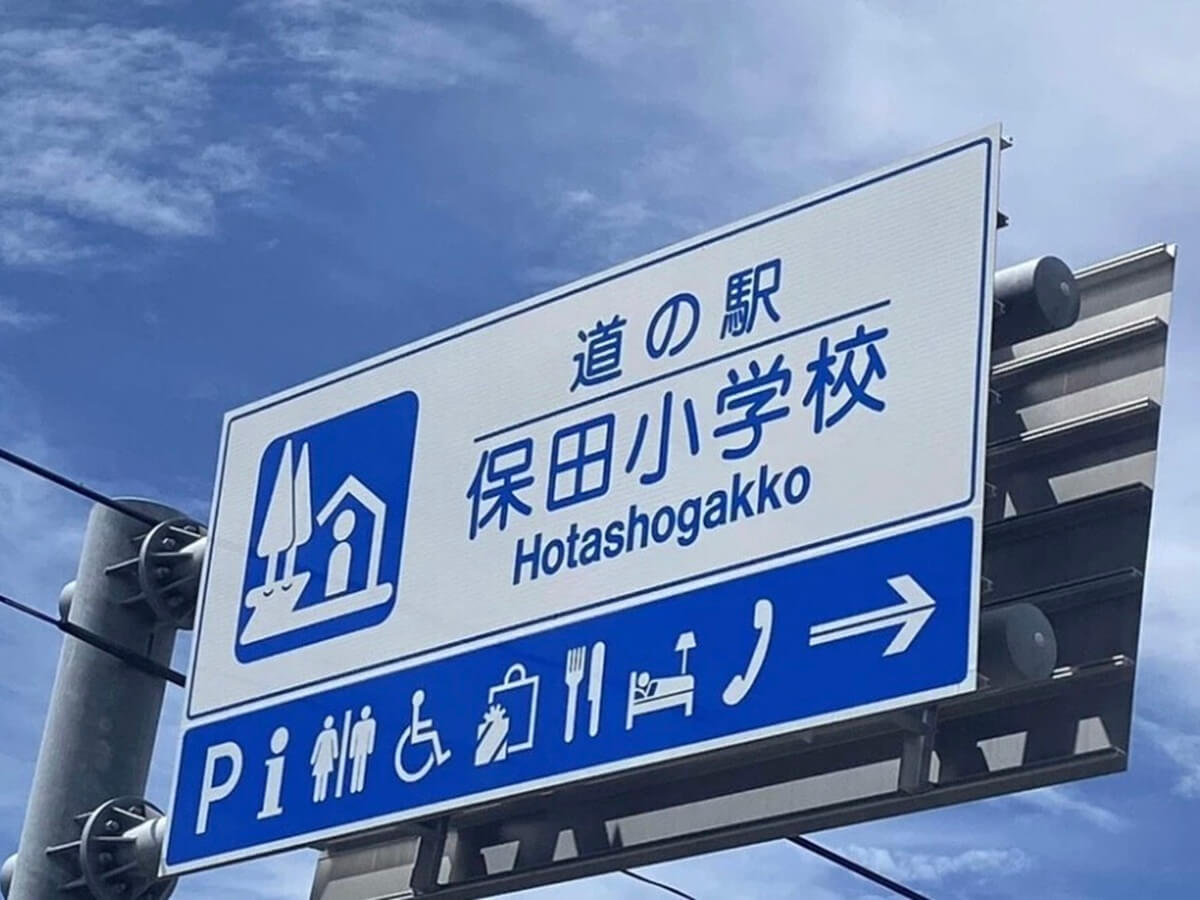
Have you ever heard of “Roadside Station (Michi-no Eki)?”It was first established in 1990 in Un-nan City, Shimane Prefecture, as a rest area for drivers. The site was originally used as a place to put on and take off tire chains.
As a matter of fact, it is said that the roadside station in Niigata City, Niigata Prefecture, was the very first rest area for drivers and became the model for future roadside stations. And three years later, the government officially started the system, and 103 stations were registered all over Japan. The roadside station system expanded rapidly, and today there are about 1,320 stations across the country. Now, it is not only a rest area but also a tourist spot. You can enjoy eating local delicious food, buying fresh vegetables or souvenirs, and getting travel information there.
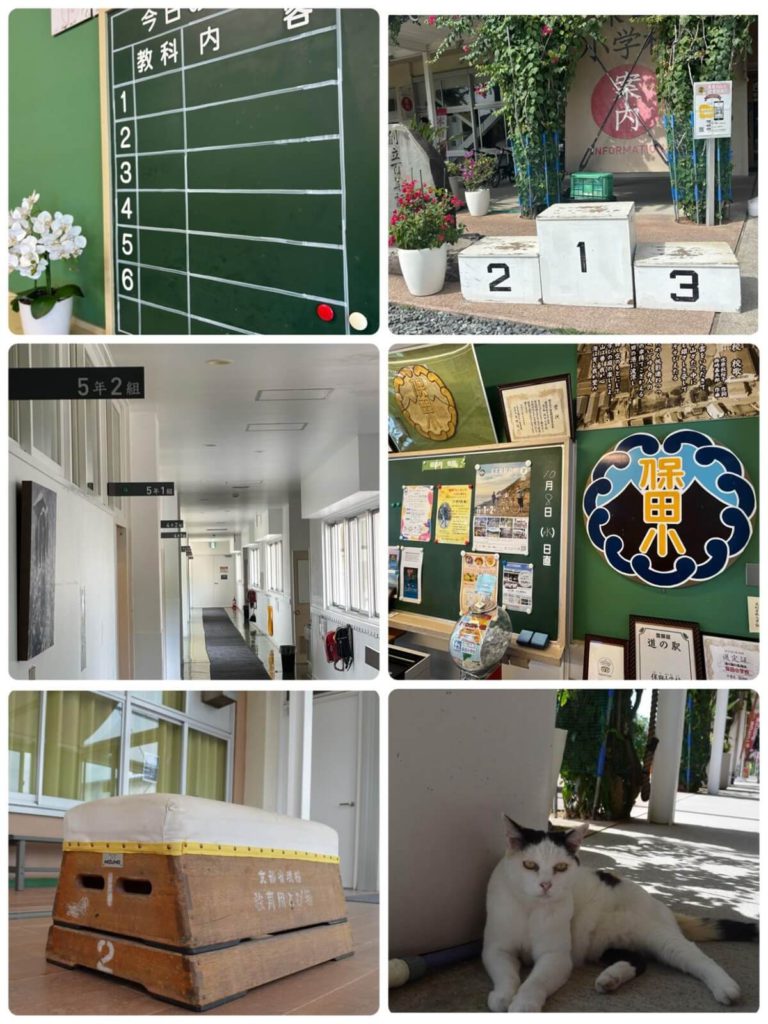
This time, I’d like to introduce one of the most popular and unique roadside stations: Hota Shogakkou and Hota Shougakkou Huzoku Yochien in Kyonan Town, Chiba Prefecture. The road station Hota Shogakko was once ranked as the second best roadside stationnationwide.
“Shogakko” means elementary school, and “Yochien” means kindergarten in Japanese. It was created by renovating a closed elementary school, so you can enjoy a very unique experience here!!
Let’s take a closer look at Hota Shogakkou!!
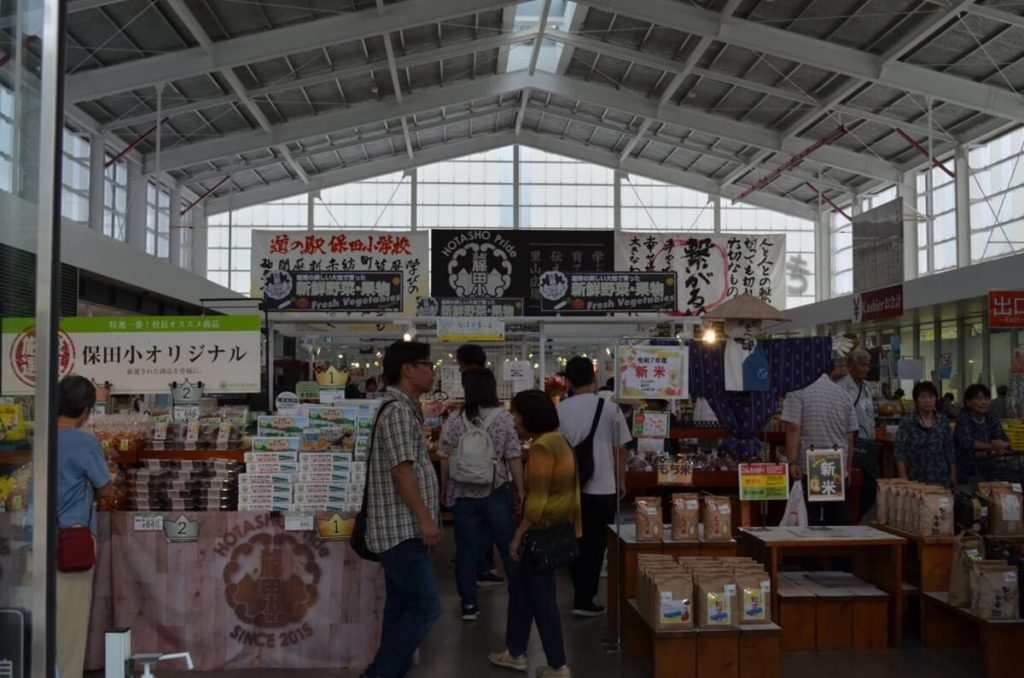
■Gymnasium
The former gymnasium is used as a market. You can buy local fresh vegetables, fruits, seafood, souvenirs and so on.
■Kyu-shoku (school lunch)
In Japan, most elementary schools offer kyu-shoku to students. Fortunately, you can experience kyu-shoku here. This is a typical Japanese kyu-shoku. I’m pretty sure many Japanese people will feel it is a blast from the past.

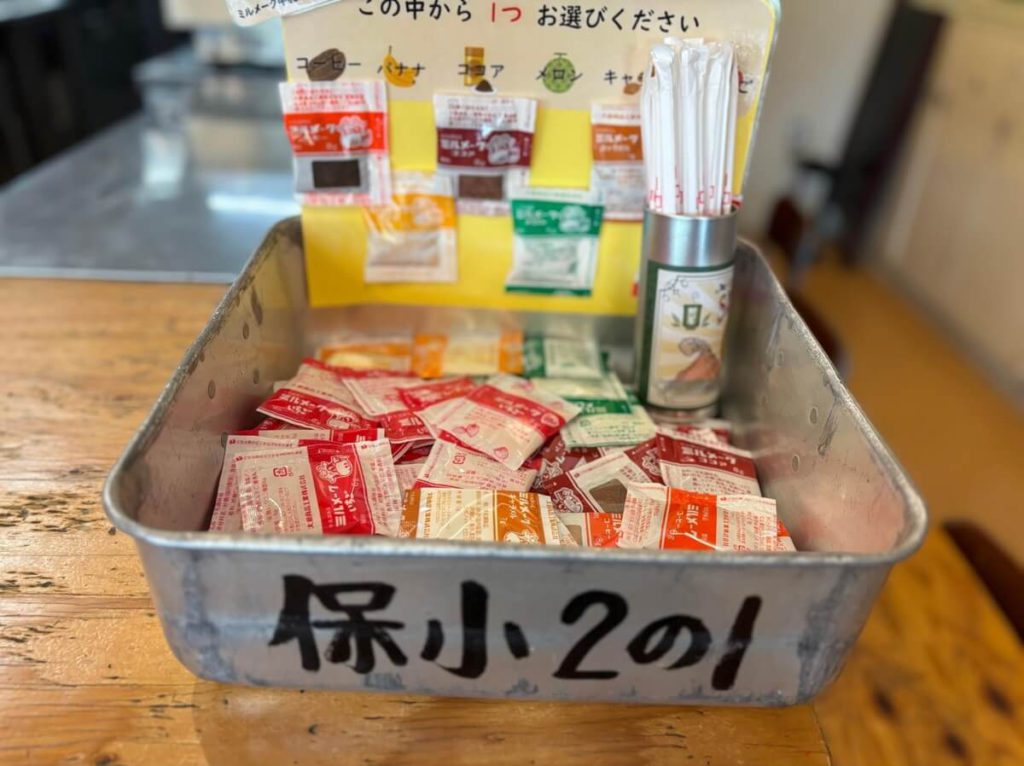
■Mil-Make
Mil-Make is a flavored powder that you mix with milk. It was a popular item in Japanese school lunches, helping kids enjoy drinking milk. It comes in flavors such as coffee, cocoa, and strawberry.
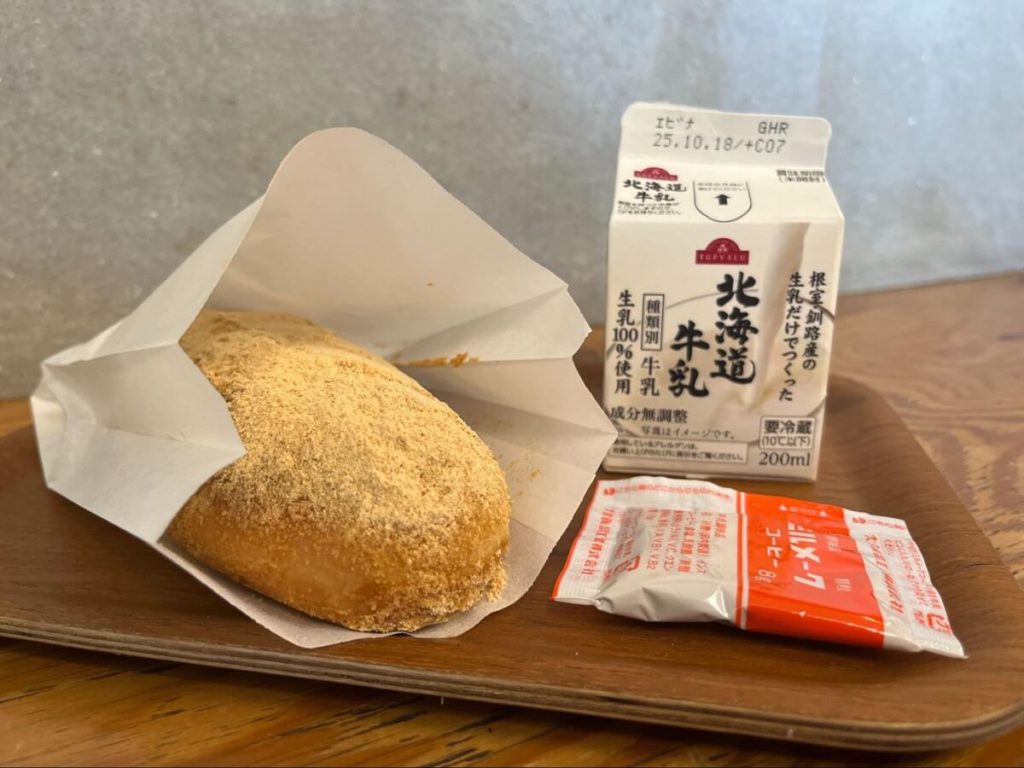
■Age-pan(fried dough)
It is a popular item that is coated with sweet sugar or kinako (roasted soybean flour.)
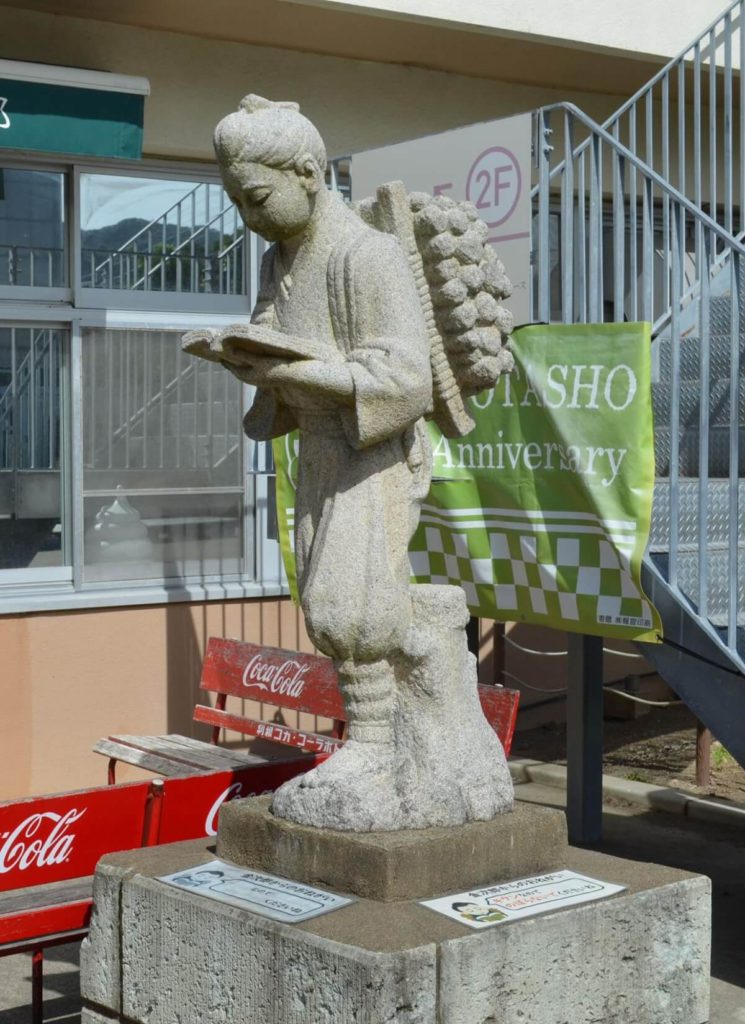
■Statue of Ninomiya Kinjiro
This statue is of a famous historical Japanese figure from the Edo era, Ninomiya Kinjiro (also known as Ninomiya Sontoku). He is known as a person who studied hard. Born into a farmer’s family, he experienced many hardships in his childhood, but he worked and studied diligently. Later, he became a great agricultural economist and politician. Therefore, many schools in Japan have installed his statue.
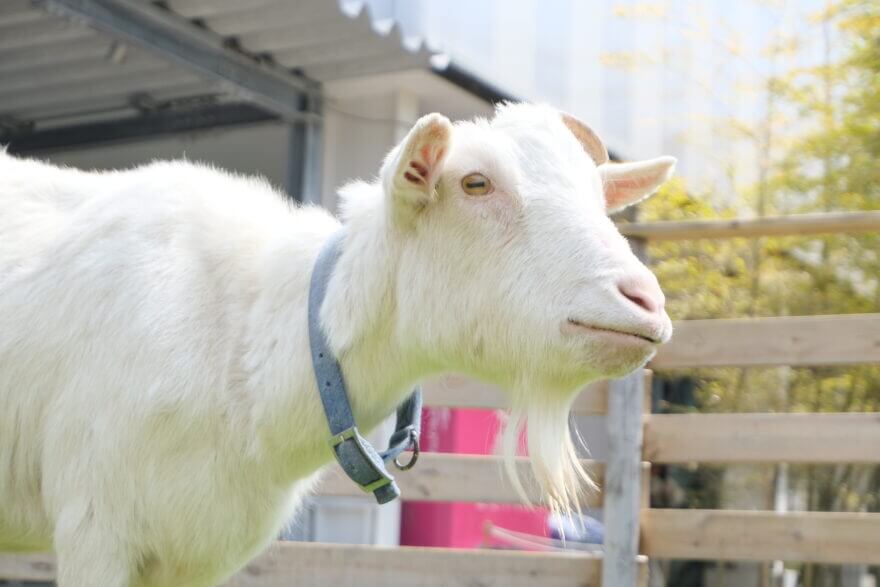
■Goats
Many schools used to keep animals like goats or chickens. However, the number of such animals has been decreasing recently due to changes in teachers’ work styles. You can still see goats here on weekends.
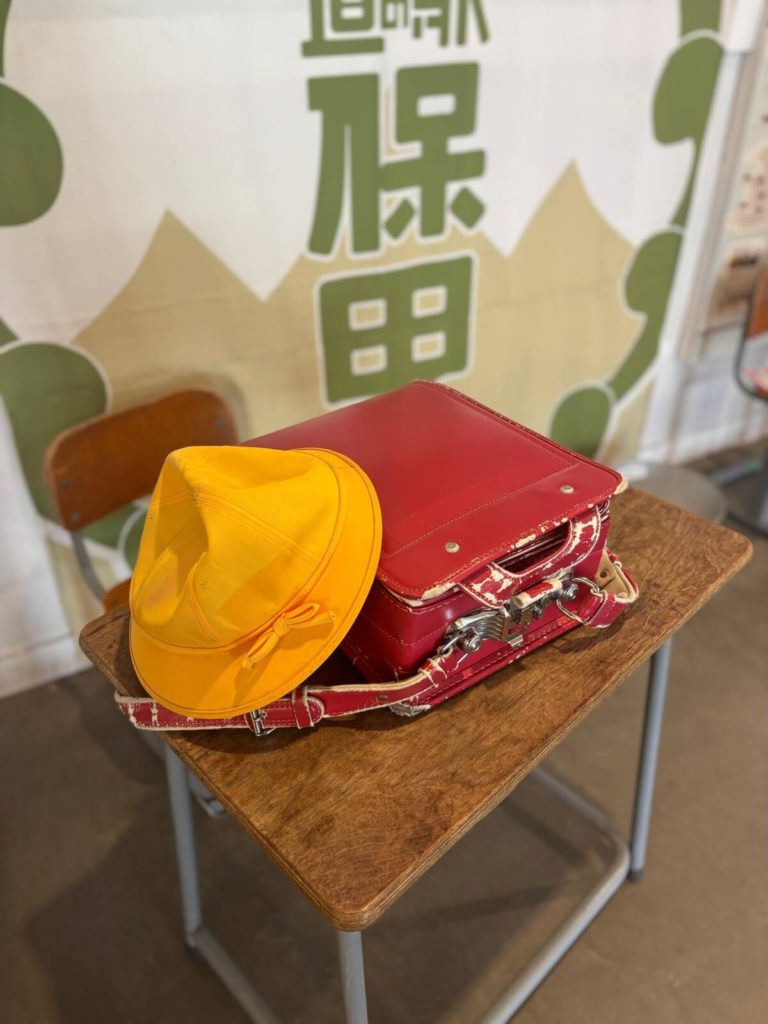
■Randoseru (school bag for elementary school students )
This is a standard school bag and cap. But recently they come in various colors.
■Stay
This classroom is used as an accommodation as well. You can stay in a former classroom. It might make you feel like a kid again.
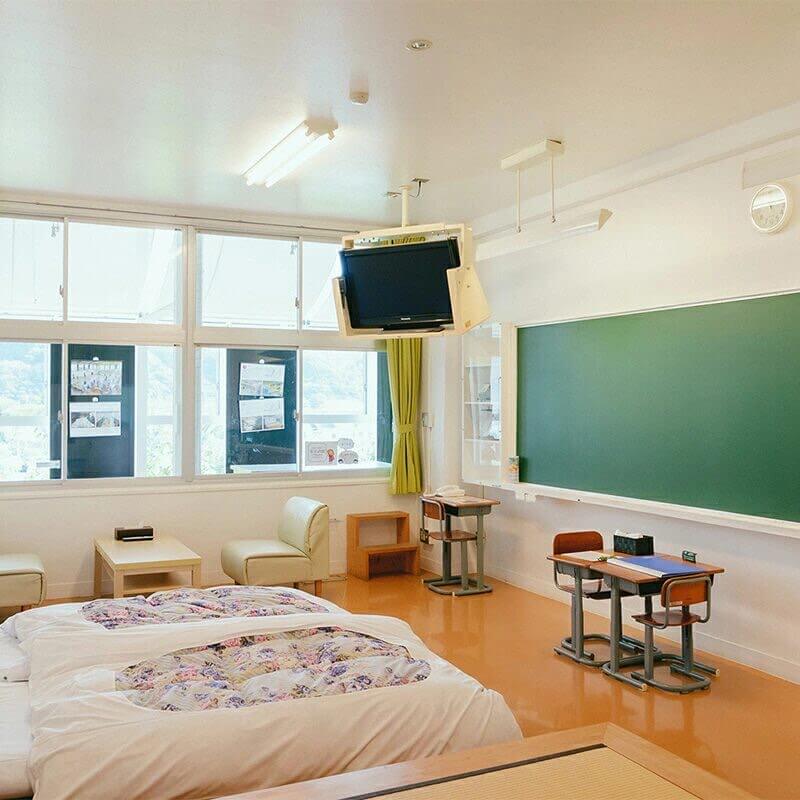
・Stay fee
Private Room(2~4people): Adult 4,200 yen / Elementary school student 3,200 yen / 3 years to under Elementary 2,000 yen / Under 3 years free
Room(5~15people):Adult 3,600 yen / Elementary school student 2,700yen / 3 years to under Elementary 1,500yen / Under 3 years free
So reasonable!!
Next, let’s take a closer look at Roadside Station Hota Kindergarten!!
It was established in 2023, eight years after Hota Elementary School was built. The area is surprisingly large, covering 23,000 square meters, including Hota Elementary School.
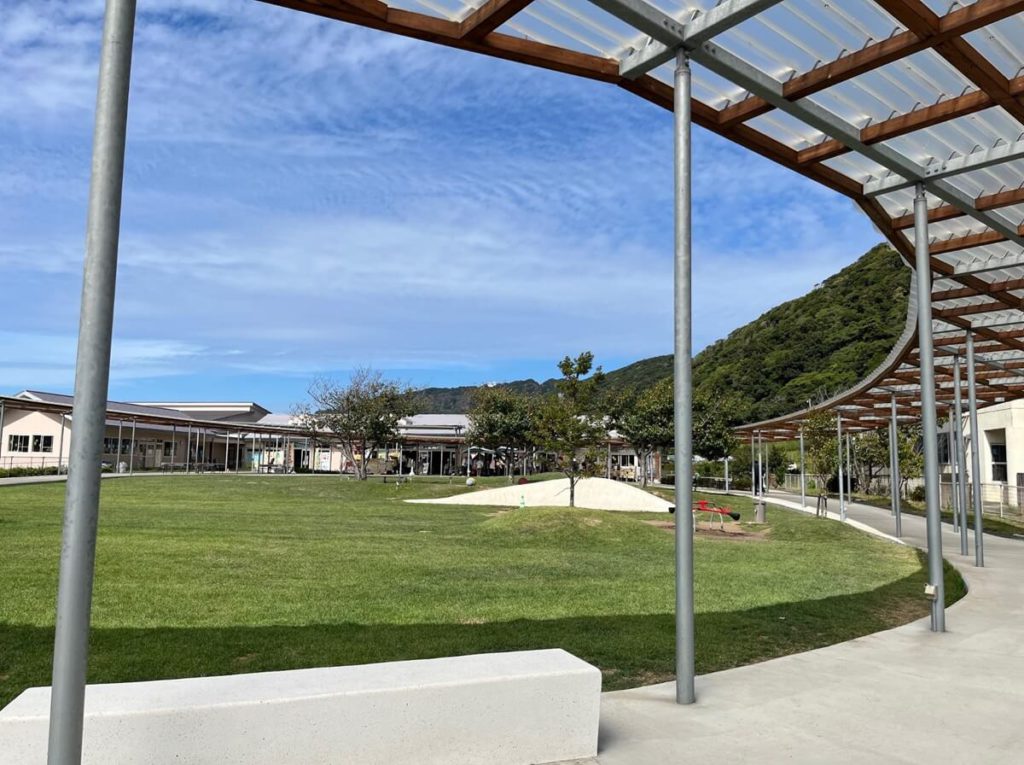
■Playground
The circular roof and hallway surrounding the playground are distinctive features.
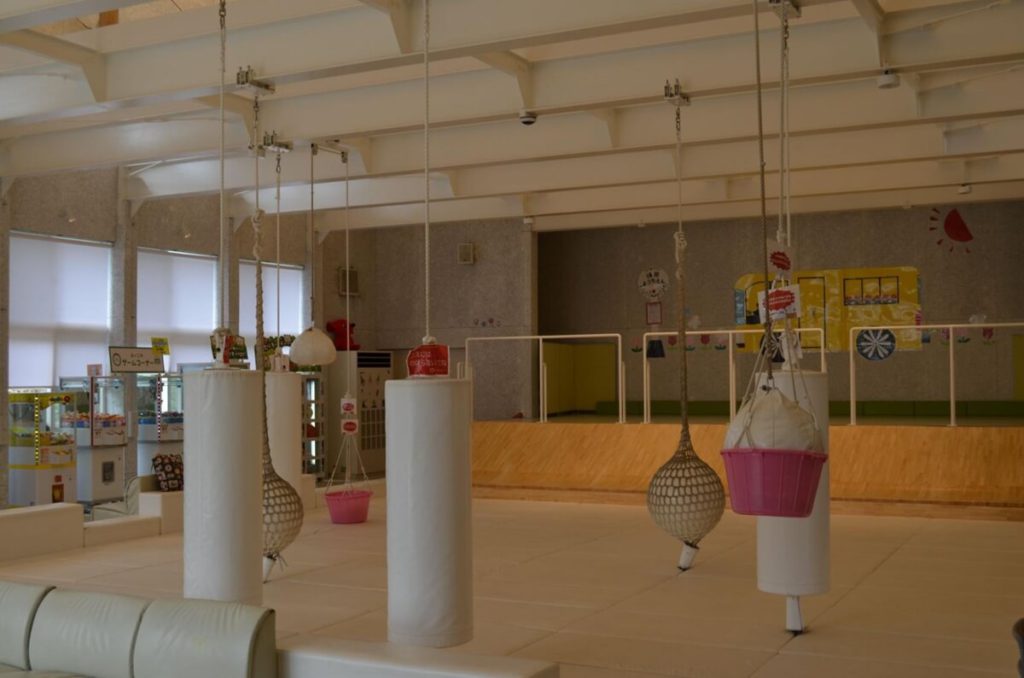
■Play cafe
Little kids can play here while their parents enjoy coffee or smoothies at the cafe.

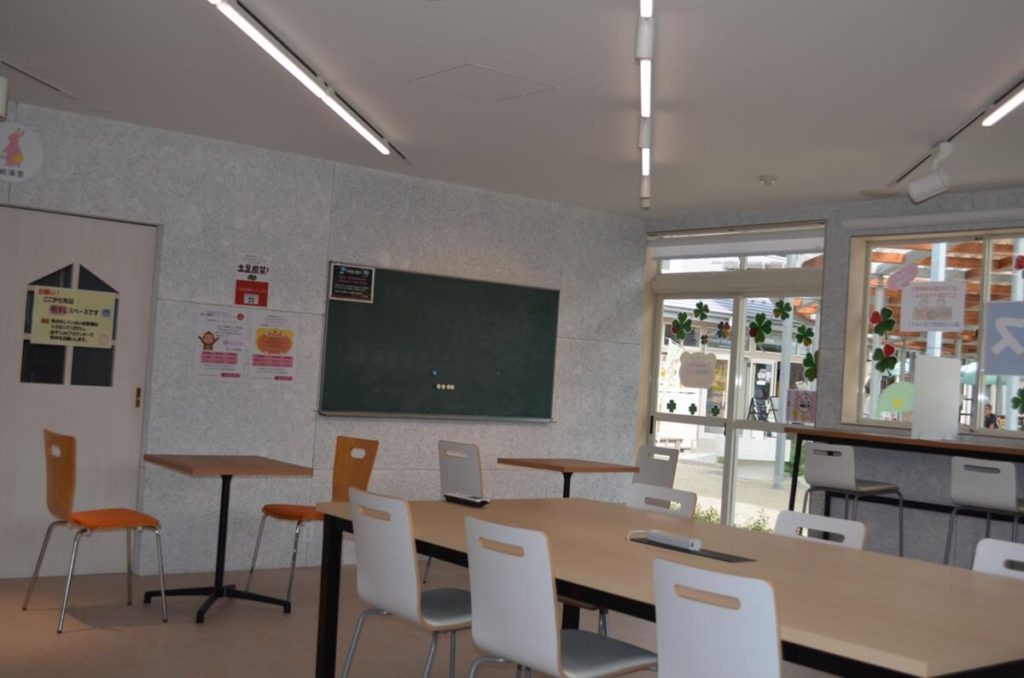
■Co-working space
The former teachers’ room is used as a rental co-working space.
■RV park
There is an RV park too.
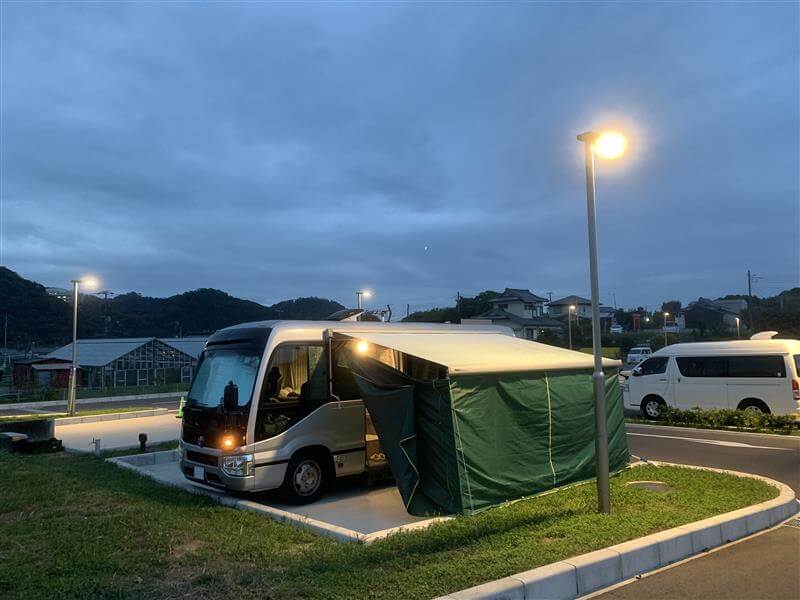
3,500yen / 1 site
I’m an English learner. I want to connect with people all over the world. I work as a daycare teacher. I love both children and animals. I’m a Japanese drum (Wadaiko) player and love Japan.
 HTJ has a YouTube page! Check it out