


Why conbinis are really called conbinis?
Most of you reading this probably know what “conbini” is. Yes, it is a convenience store. Nowadays, a lot of people recognize the word globally. Surely a lot of you …
Most of you reading this probably know what “conbini” is. Yes, it is a convenience store. Nowadays, a lot of people recognize the word globally. Surely a lot of you …
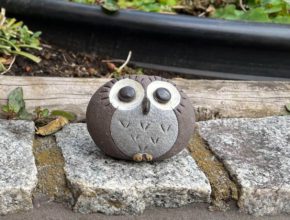
“Hoot, hoot…!” Hi! I’m an owl. I live in Japan. I have a lot of relatives all around the world. Did you know that owls are believed to bring luck …
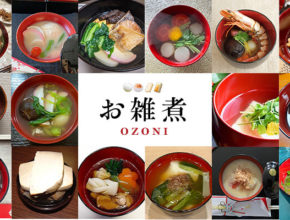
Ozoni is a mochi soup eaten on New Year’s Day in Japan. Japanese New Year’s events and food originated in Shintoism, and various customs were born from the idea of …

When you ask Japanese people, “How many fingers do you have?” most people will answer 10 or, after some thought, proudly 20. This is surprising for English-speaking people, isn’t it? …
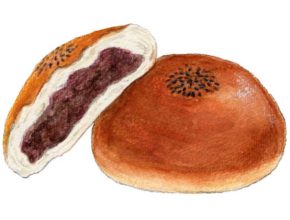
Generally speaking, “anpan” is a small bun filled with red bean paste which has been quite popular as a sweets amongst Japanese people. “An” means the filling inside the bread, …

“I’ve got a lot of circles!!” If you hear a Japanese kid saying something like this with a big smile, can you guess what the circles are? Circles play an …

Have you heard the words “My number” and “My Number Card”? It may sound more like “my-none-bar” and “my-none-bar-car-dough.” What is “My Number”? “My number” is an individual number given …

One of the traditional Japanese New Year’s customs is sending New Year’s greeting postcards called nengajo (年賀状). Many people write and send nengajo to their friends, relatives, and coworkers in …

“Ta-da!” Can you imagine how surprised and amazed I was when I first heard this English phrase? It was one of the moments that I felt learning foreign languages was …
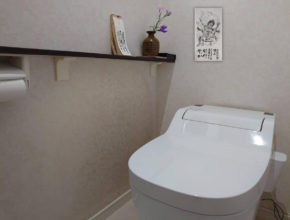
What is God in the restroom? You may have no idea what I’m talking about. Today, I would like to talk about 8 million divine spirits from ancient times and …